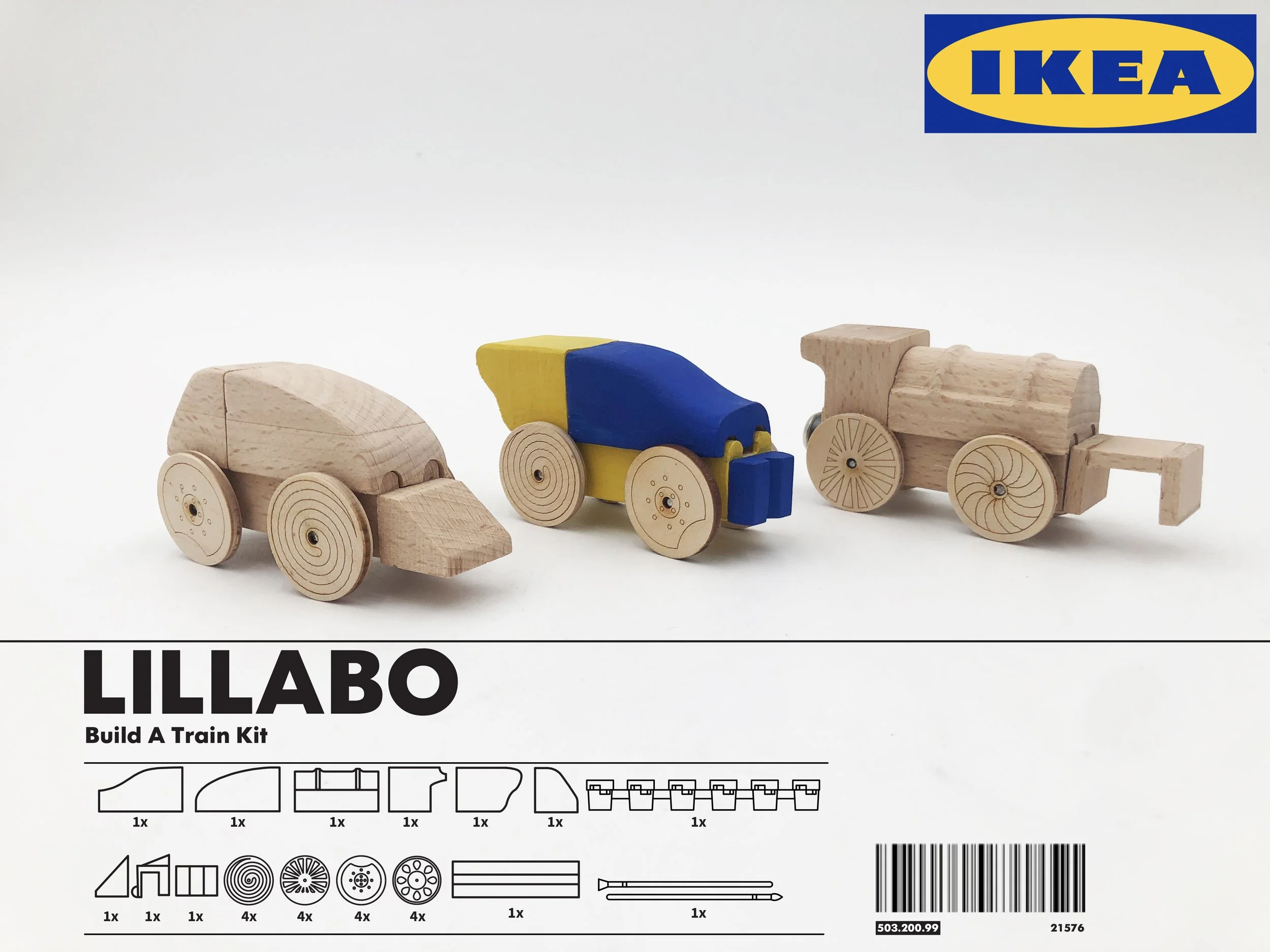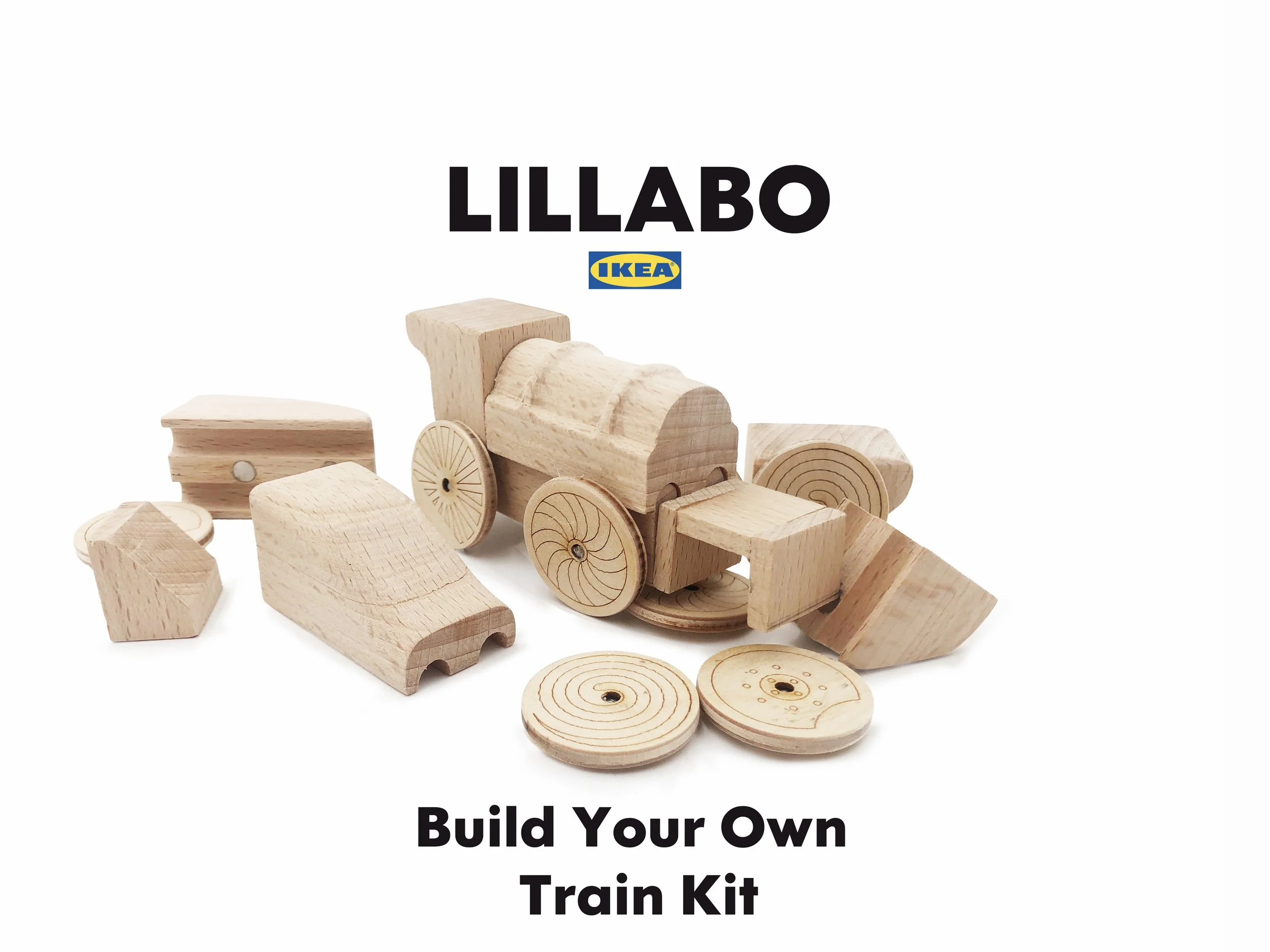
Designed For IKEA
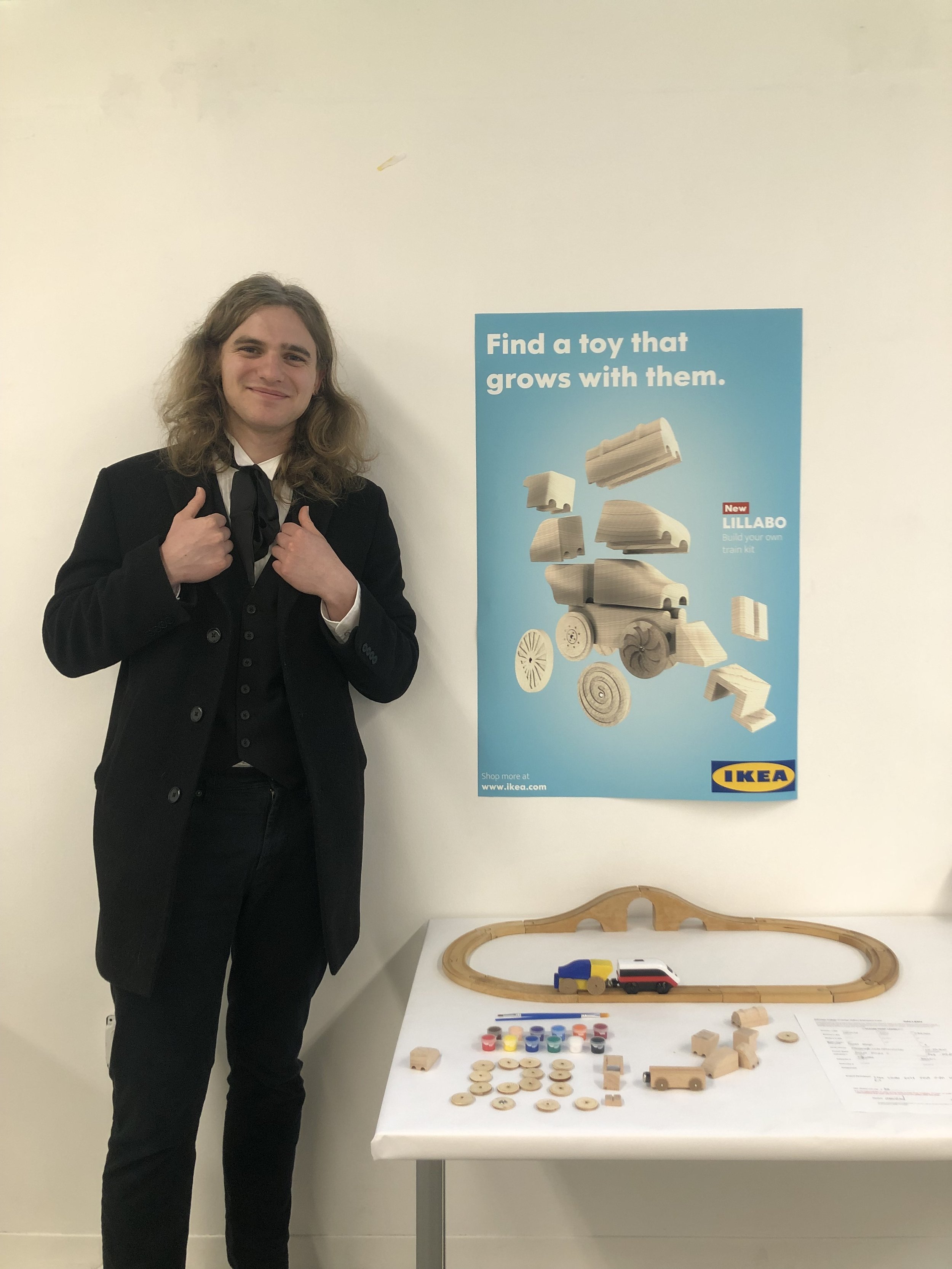
Designed for a 14-week project at ArtCenter College of Design. Skills acquired during this project
3D modelling
Design for manufacturing
Product research
Material sourcing
Conducting user research
Keyshot
Designing for a brand
Woodworking
Mechanical design
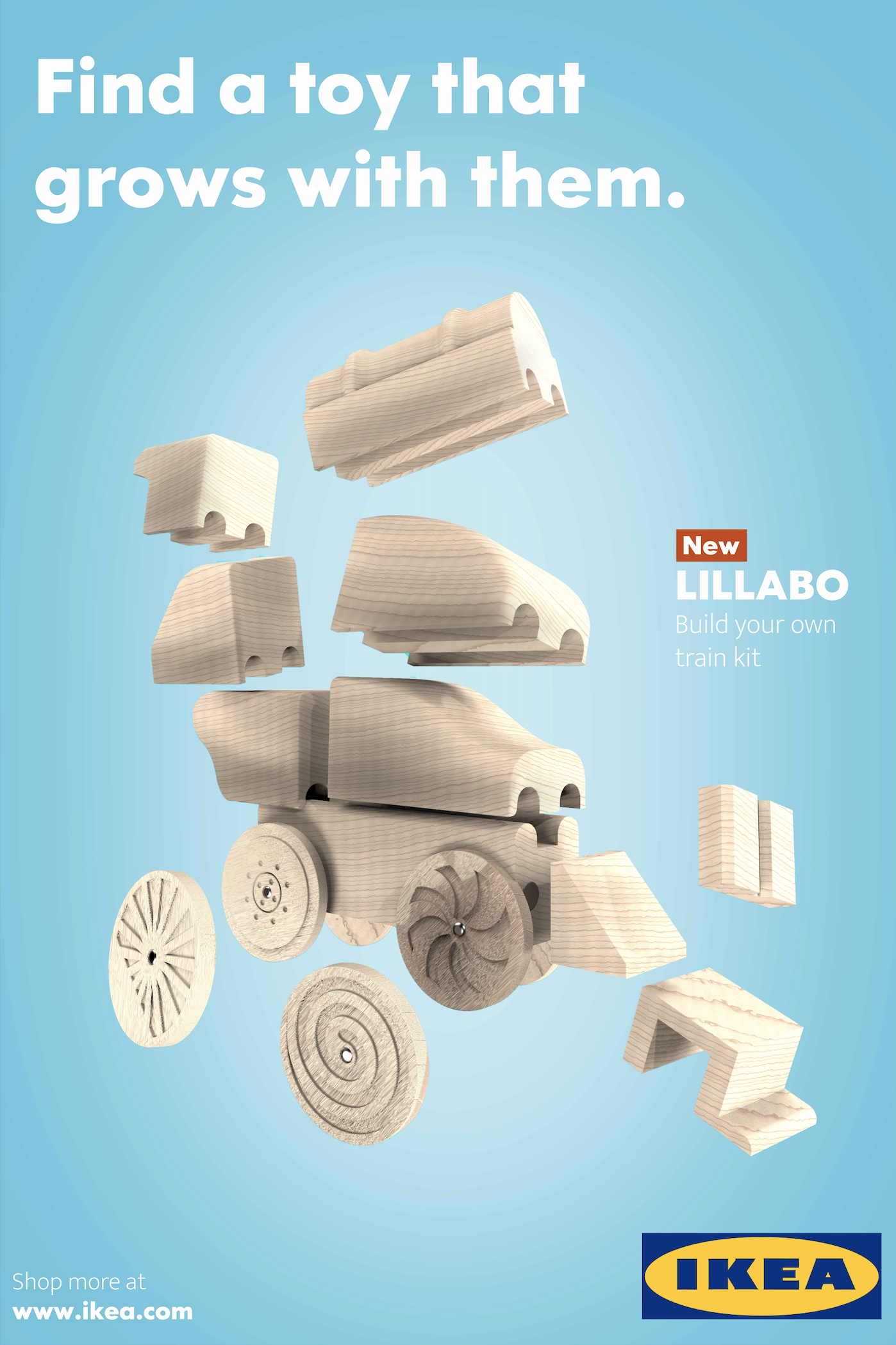
How It Works
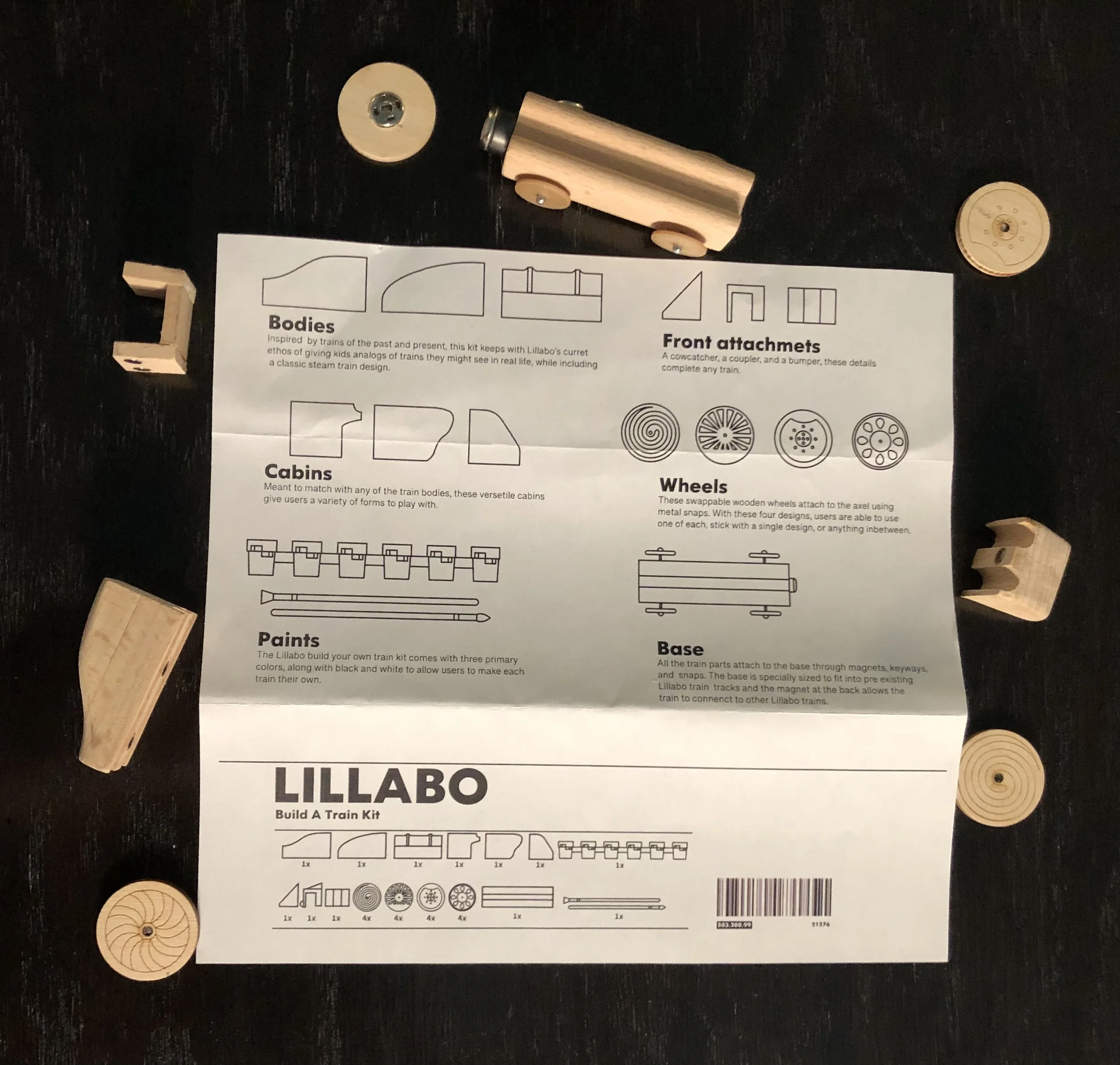
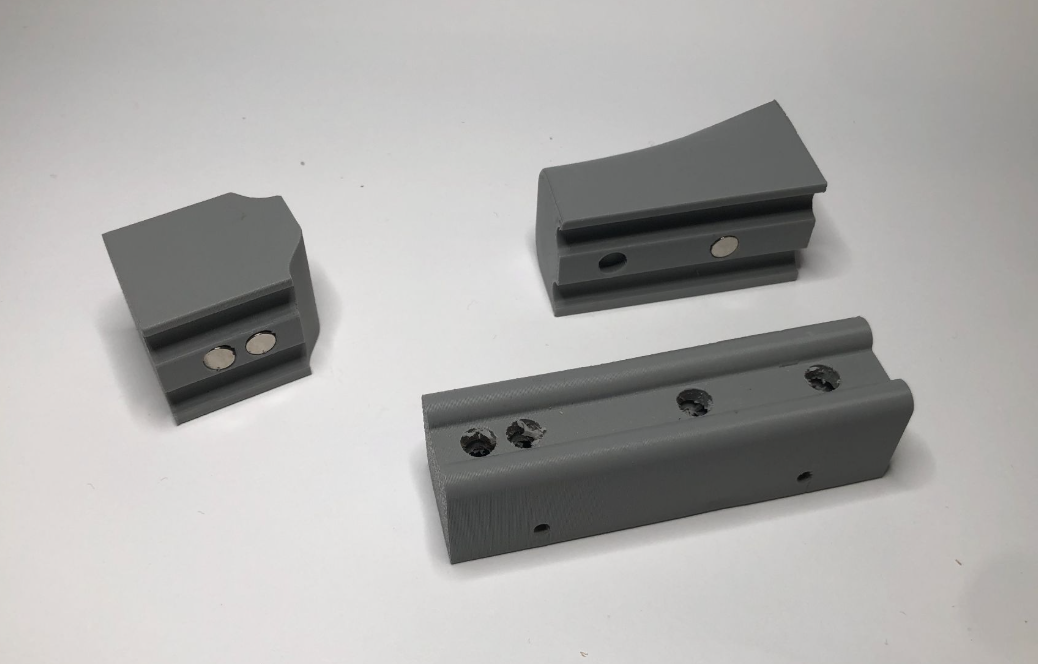
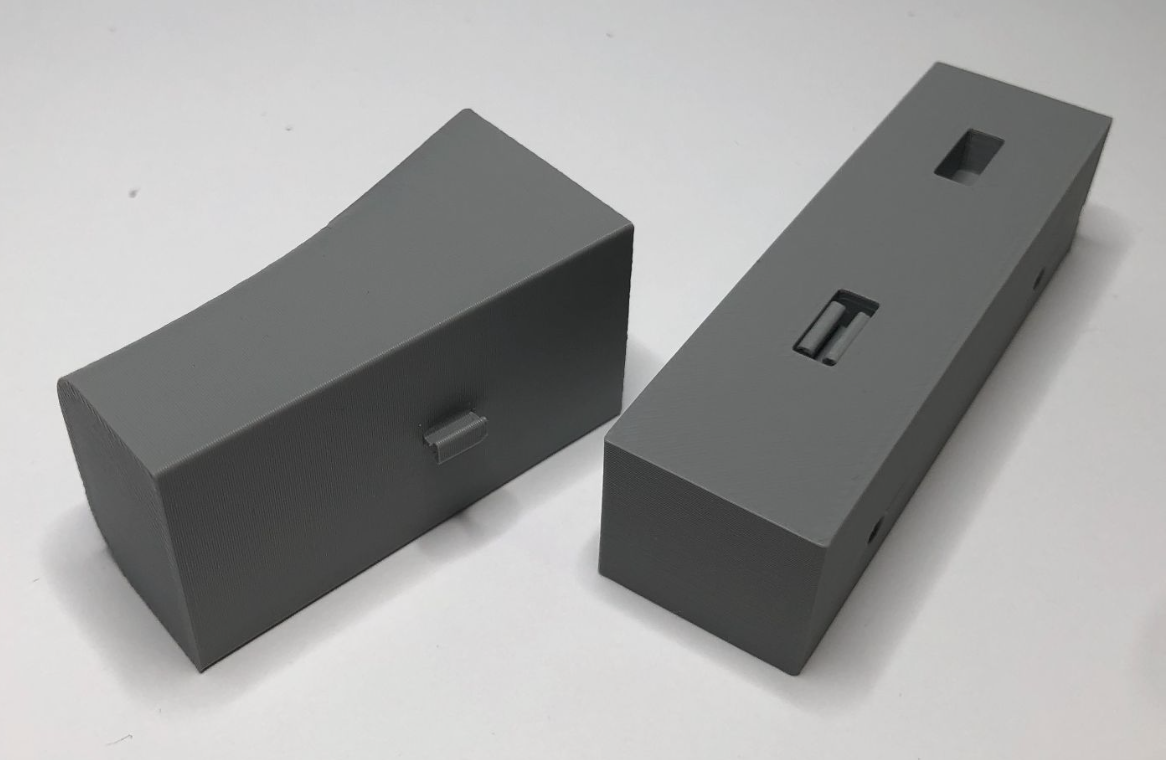
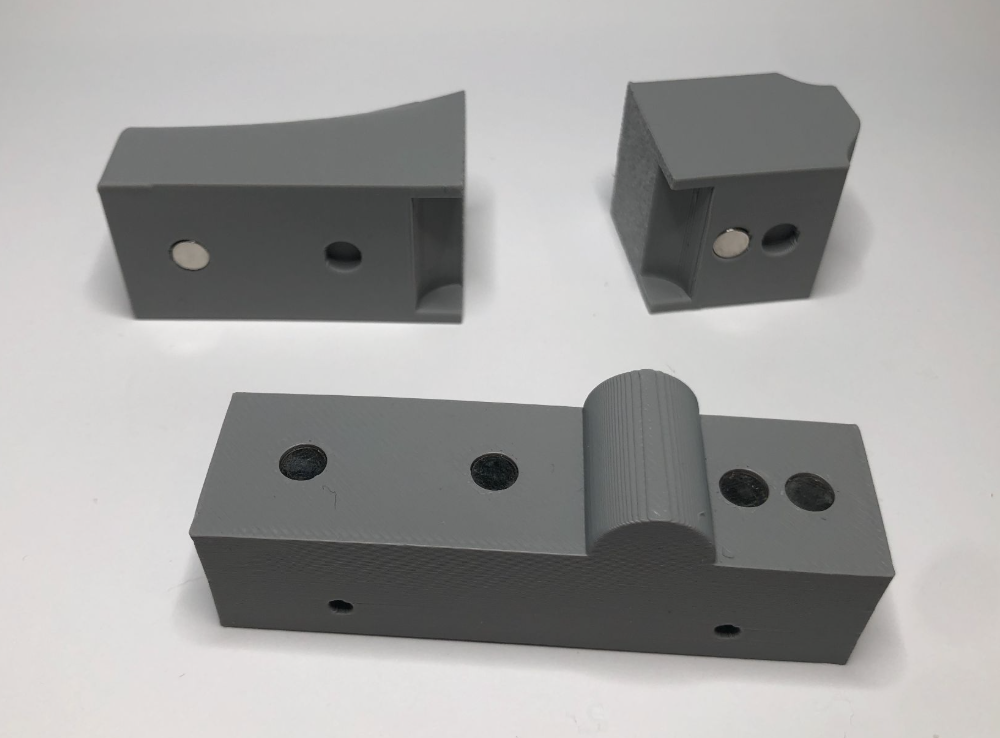
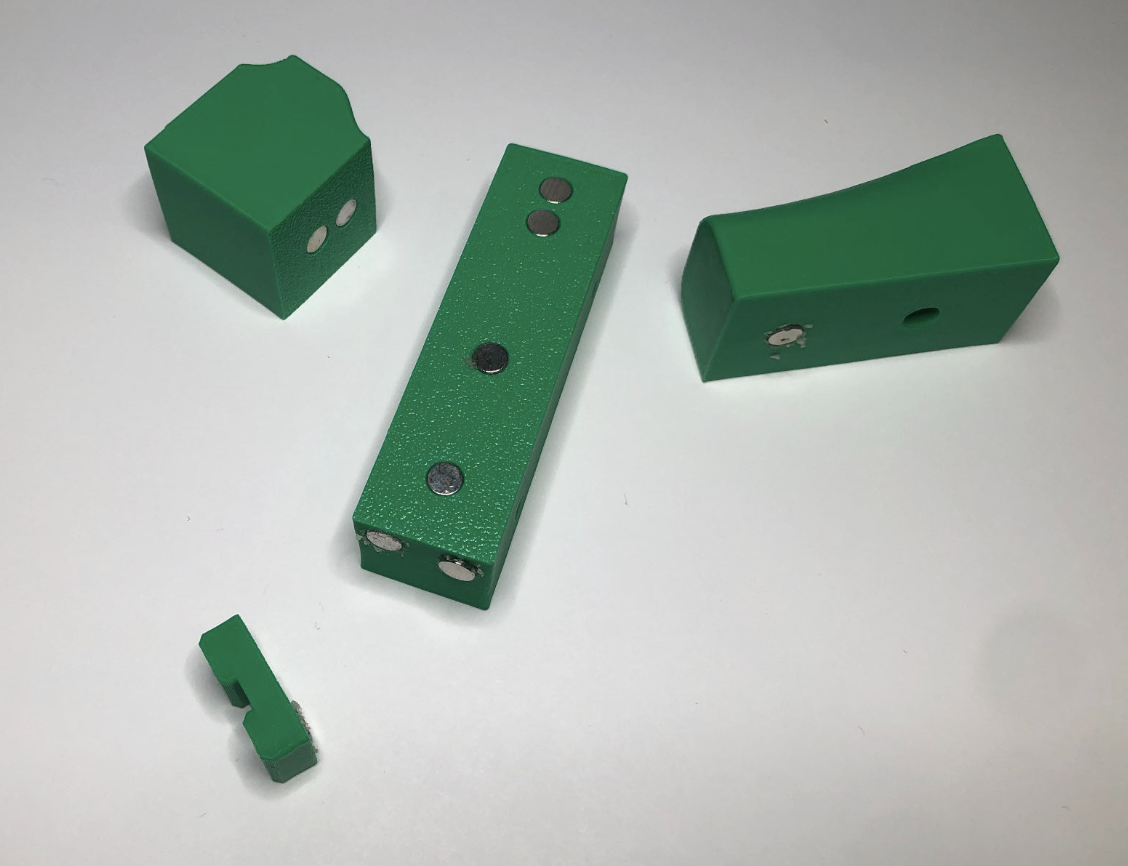
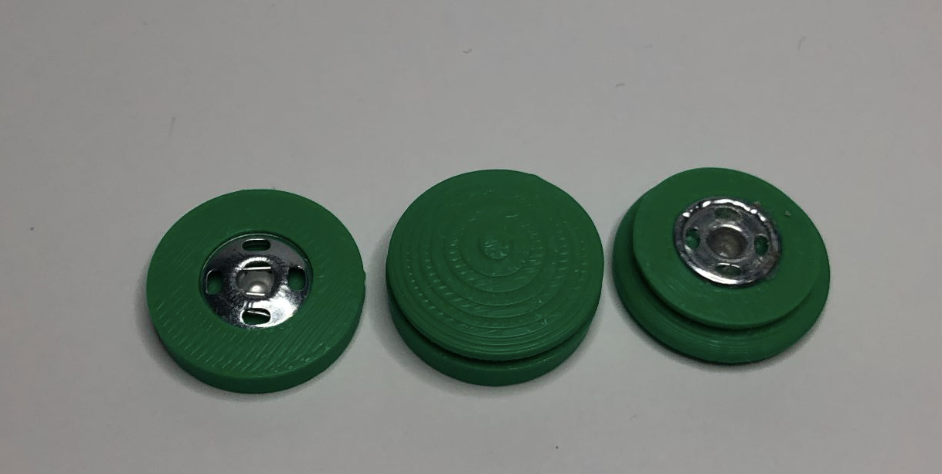
Train components snap together through a combination of magnets and keyways
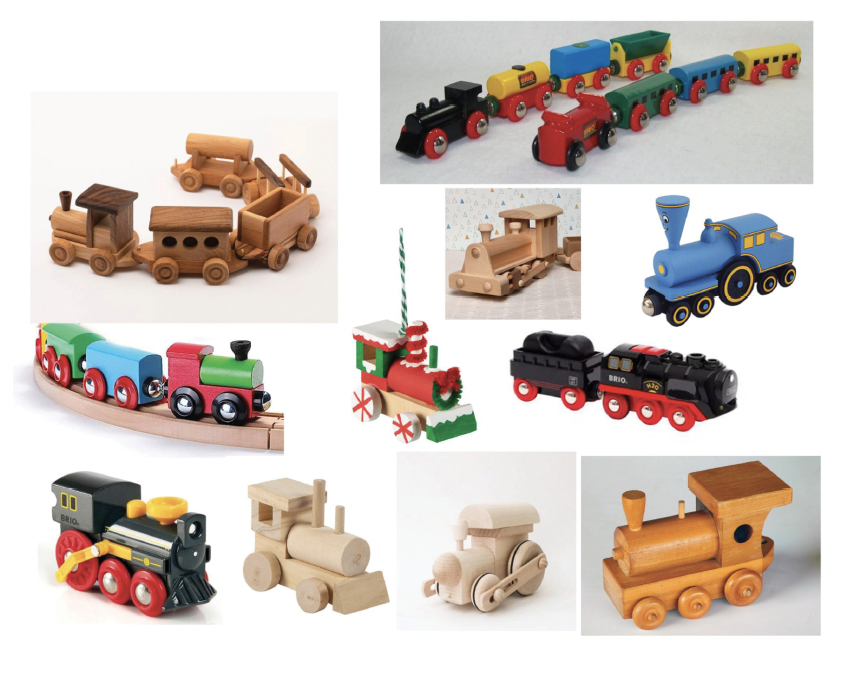
Wooden train reference
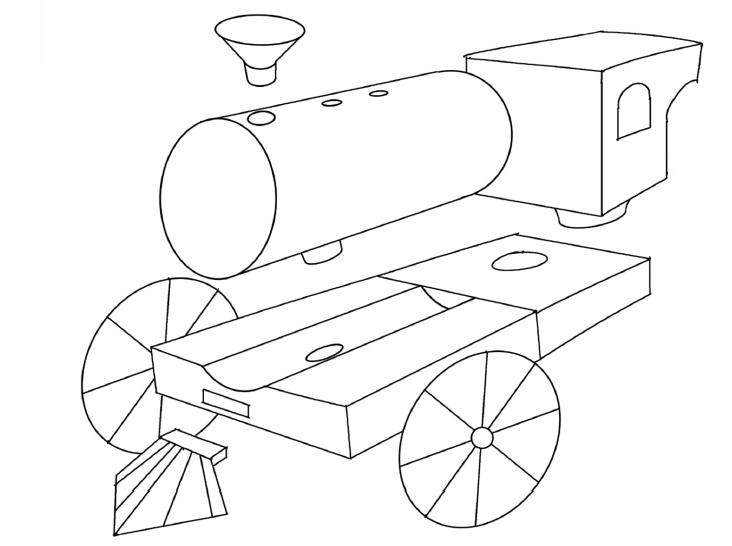
Concept Sketch
Project Origins
I originally pitched and developed the buildable train concept outside of school for a local theater (Arroyo Repertory Theater) to do a community outreach project for the holiday season. The idea was to design and manufacture wooden trains for kids to customize and paint themselves.
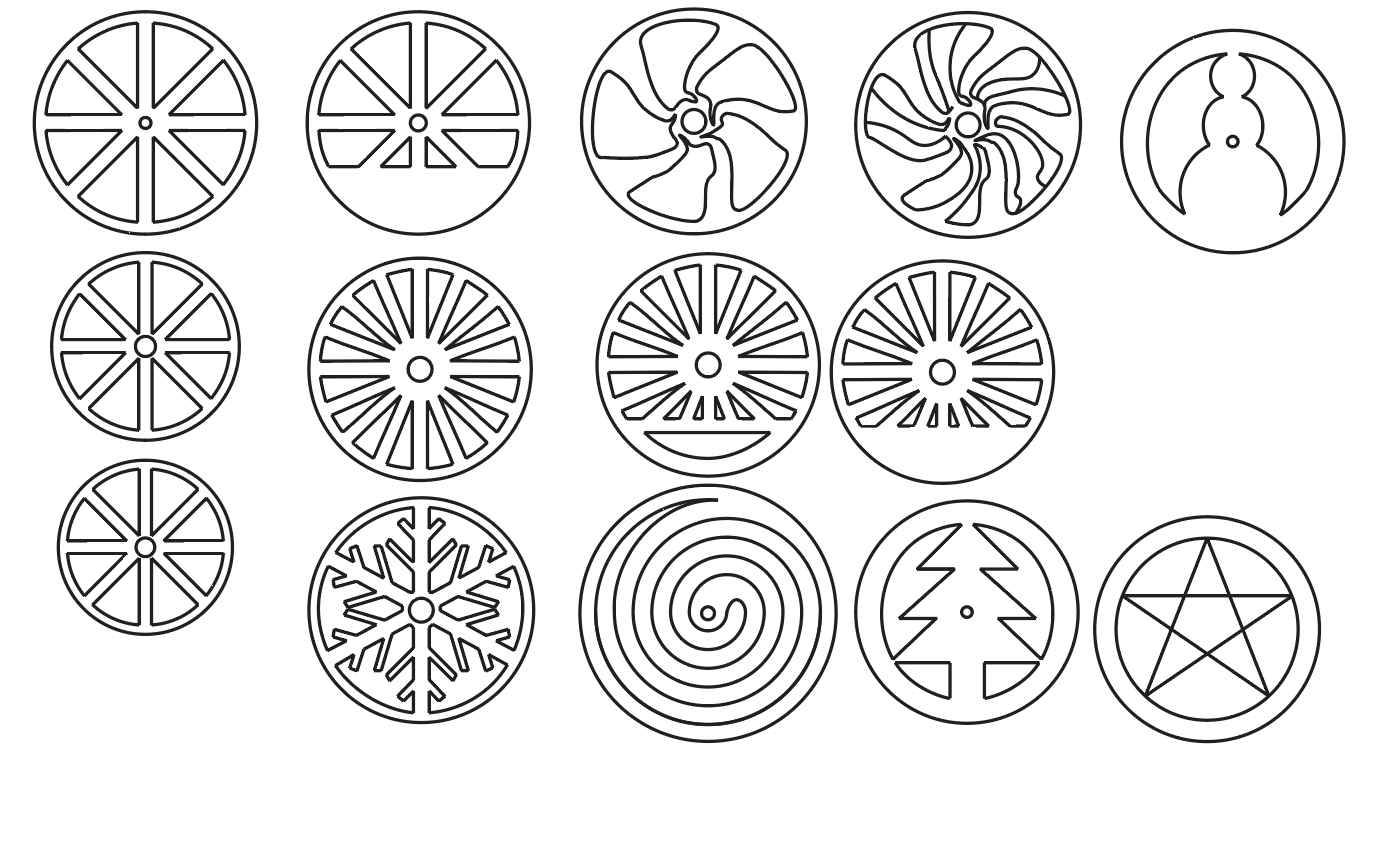
Wheel designs
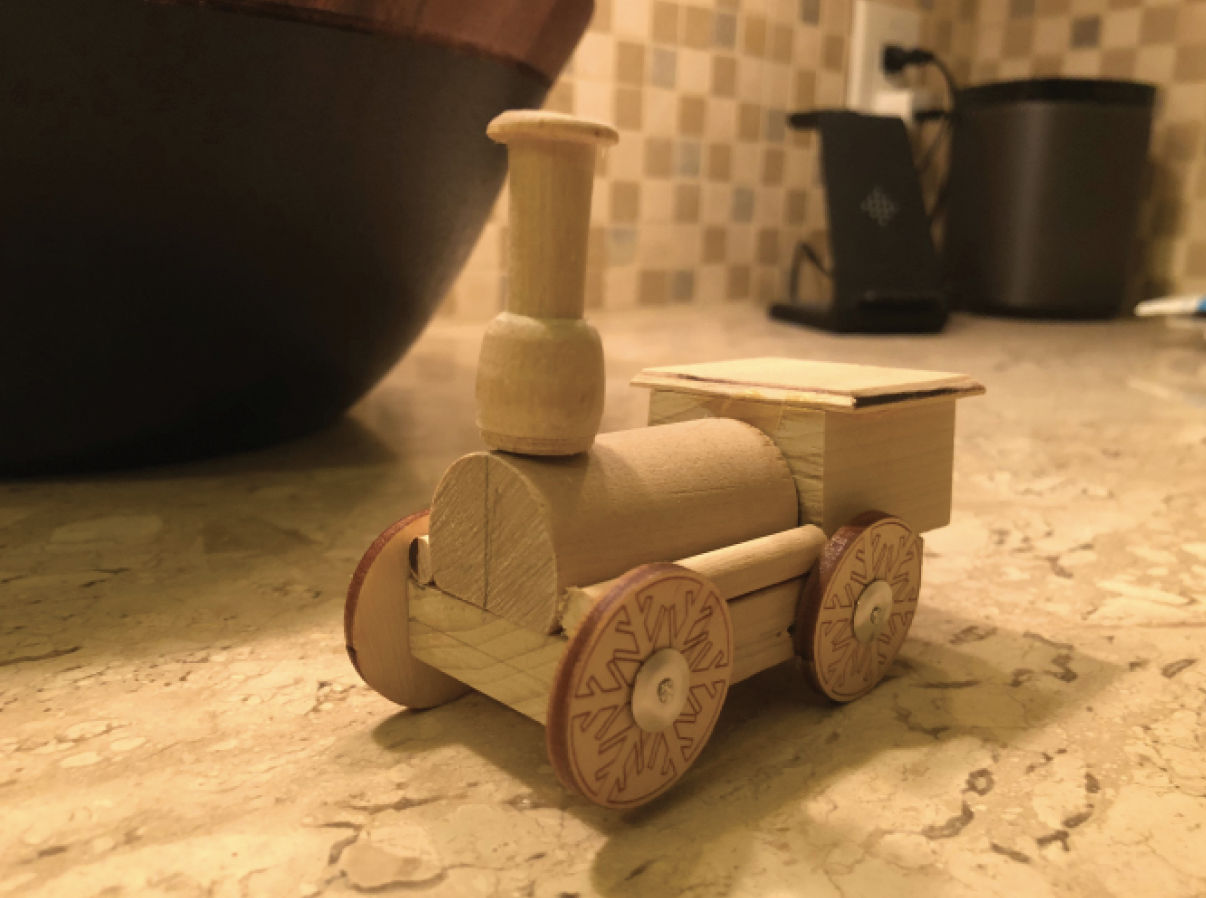
Initial Prototype
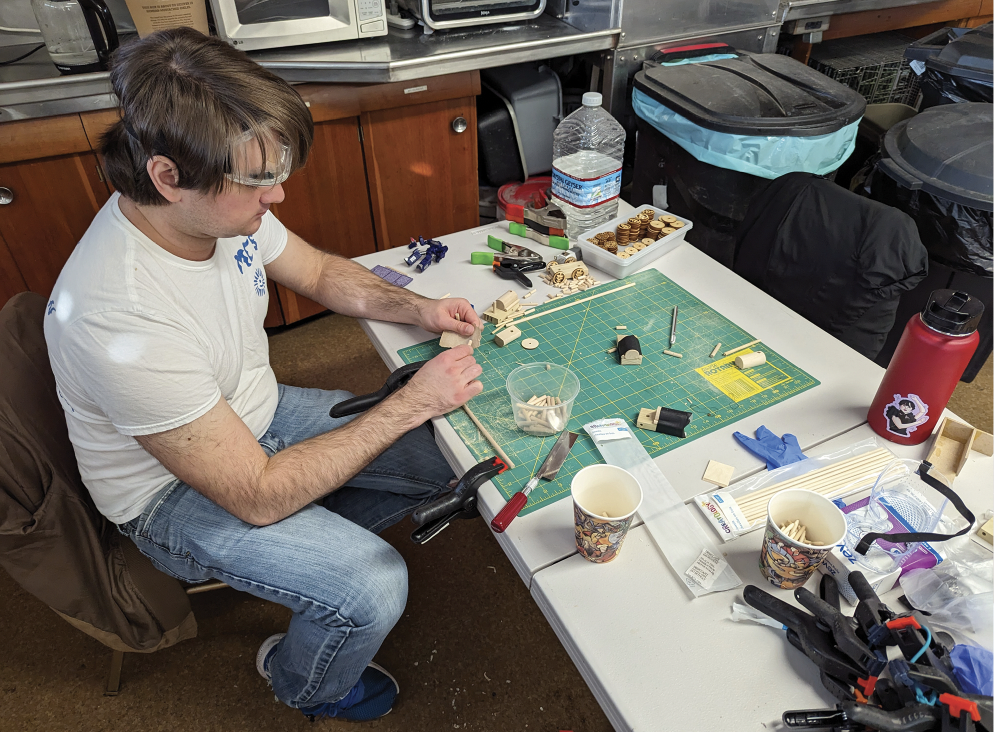
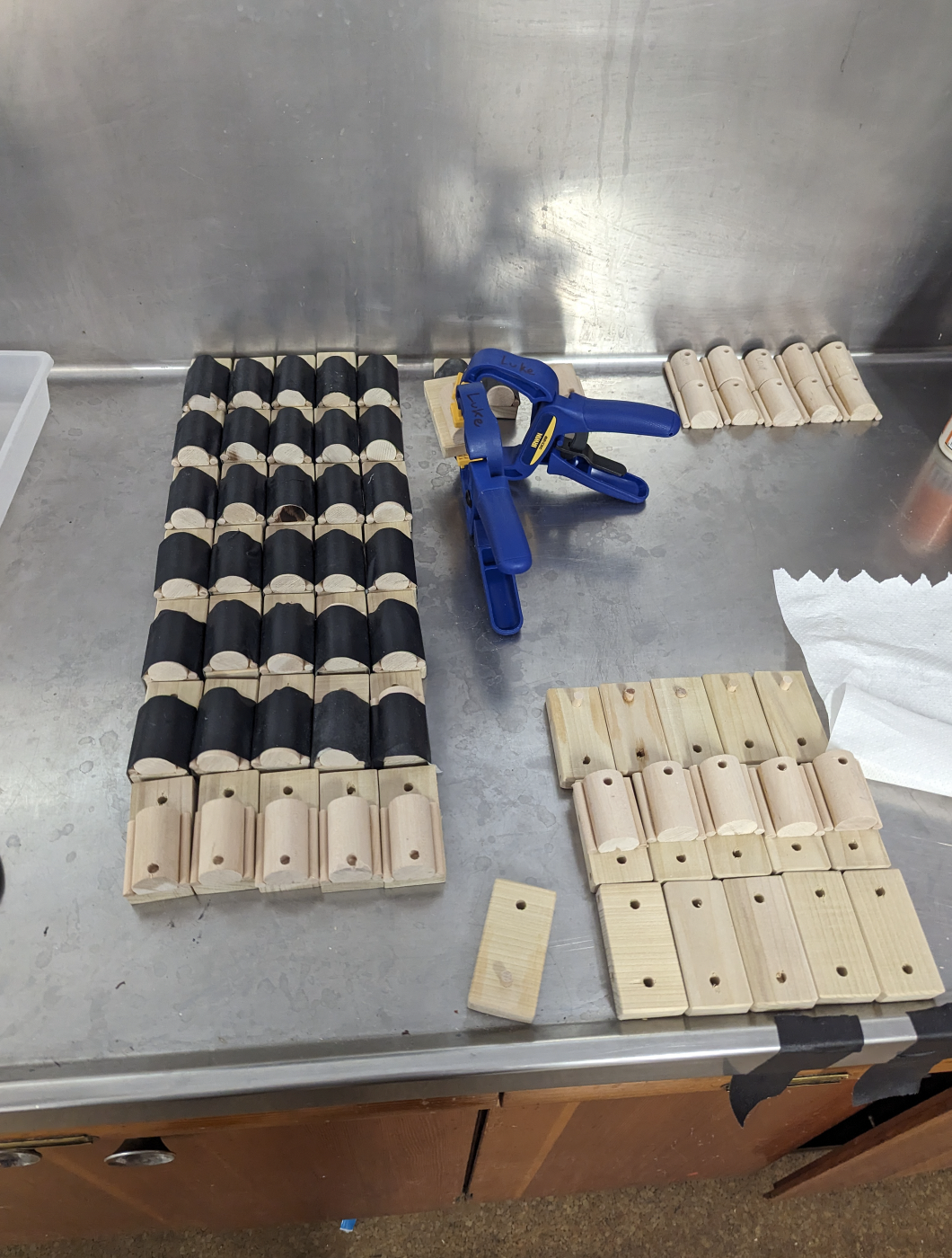
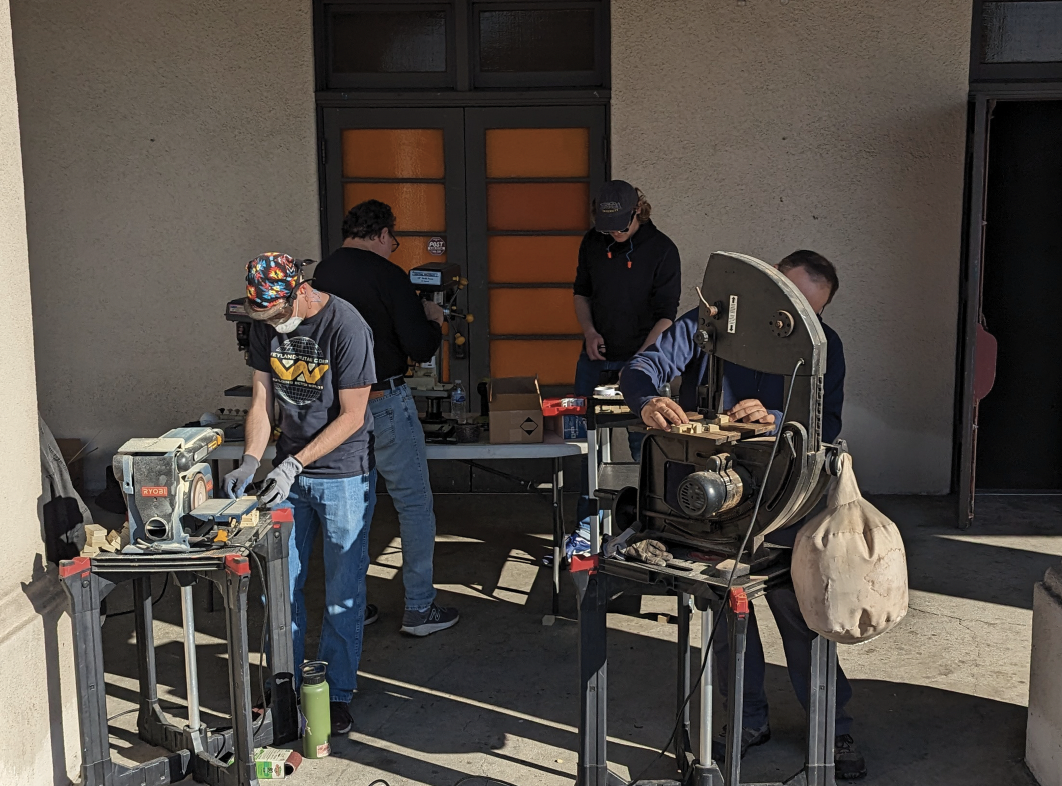

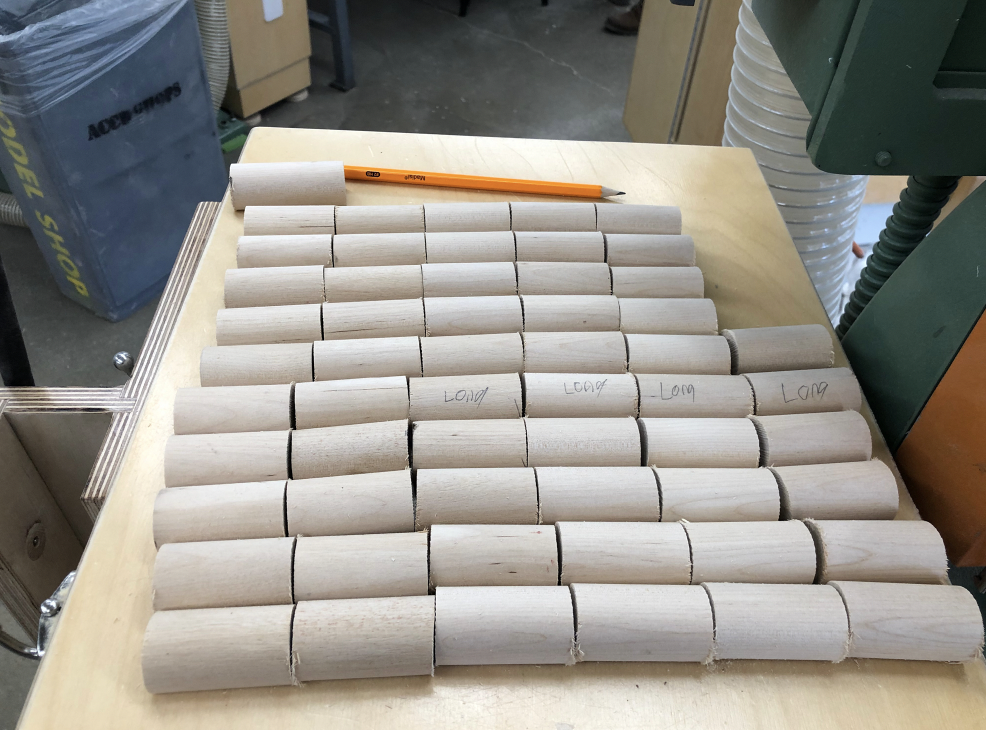
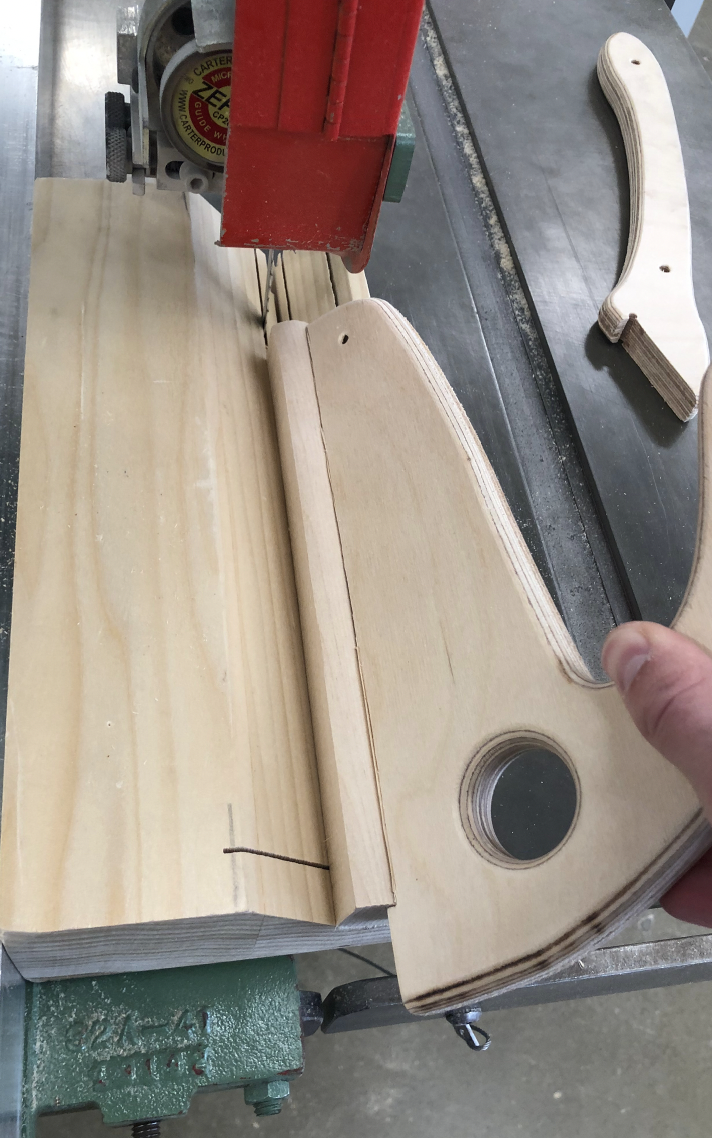

Small-Scale Manufacturing
Over the course of a week, with the help of the fine folks at the Arroyo Repertory Theater, I oversaw the production of components for over 55 wooden trains.
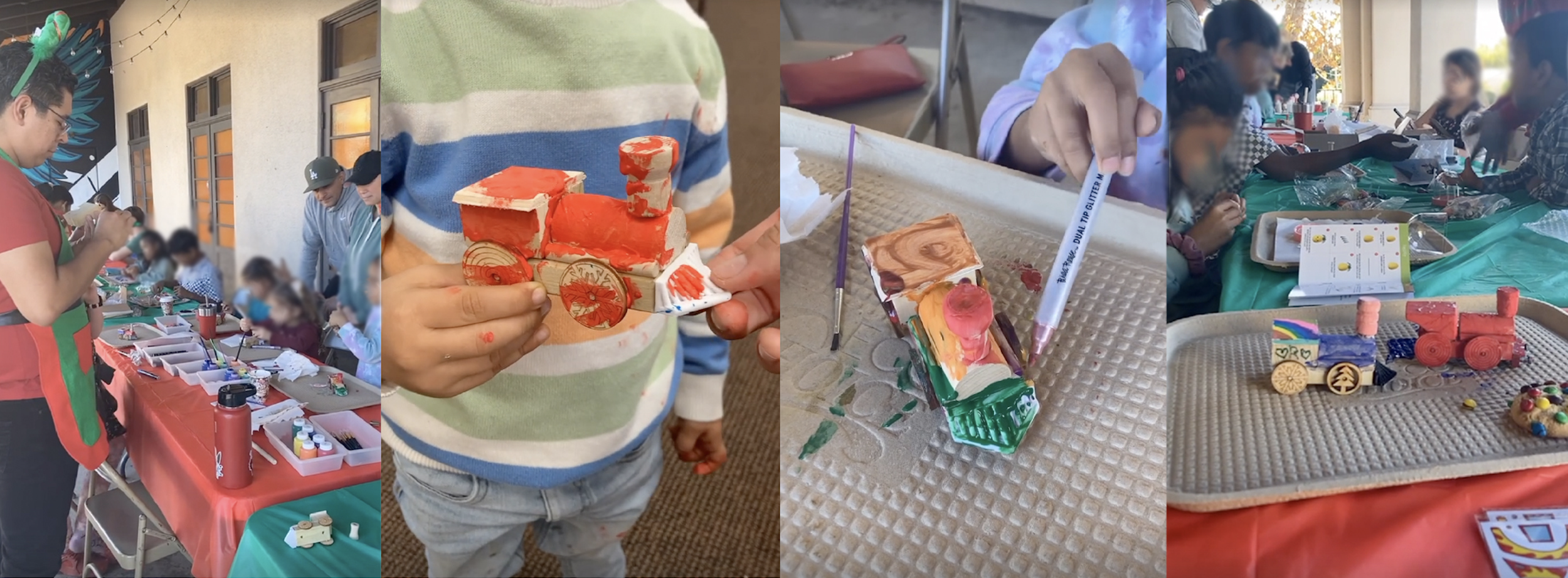
Every Train Was Unique
The children who attended all got to customize, paint, and take home their very own train
Assembly
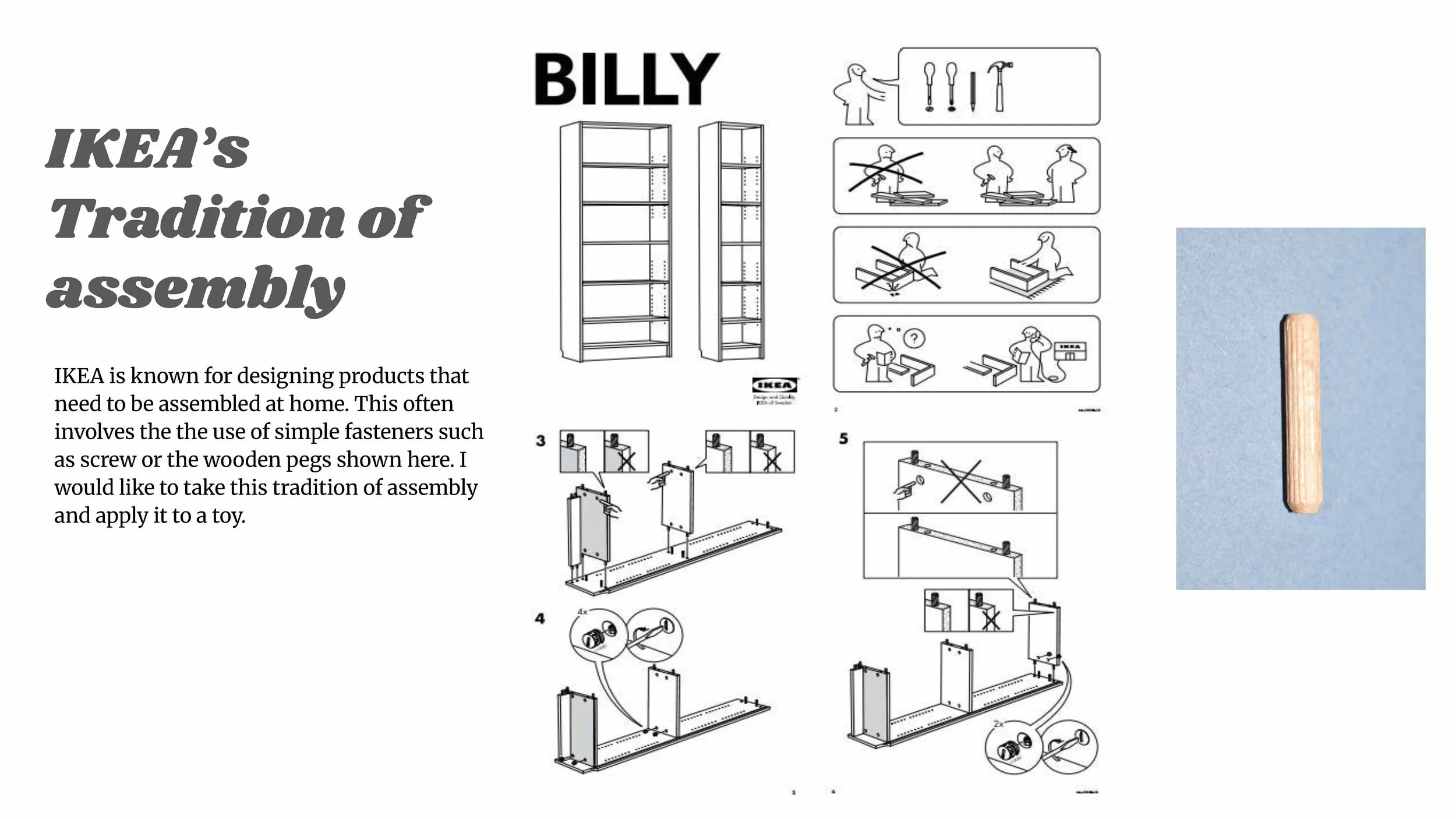
Almost all of the parts fit together with wooden pegs and drilled holes. Even the axles were wooden dowels that were pressed into holes in the center of the wheels. The only parts that attached differently were the cow catchers (front attachments), which had to be glued on.
Enter: IKEA’s Lillabo Trains
For a 14-week-long class in the spring of 2025, I was prompted to design for IKEA. I chose to focus on Redesigning IKEA’s Lillabo train line. Lilllabo is Ikea’s in-house toy train brand. Unlike their competitors, IKEA seeks to emulate modern high-speed trains as opposed to classic steam trains.
I conducted a great deal of research on this project in order to understand the market I was designing in and the product I was innovating upon
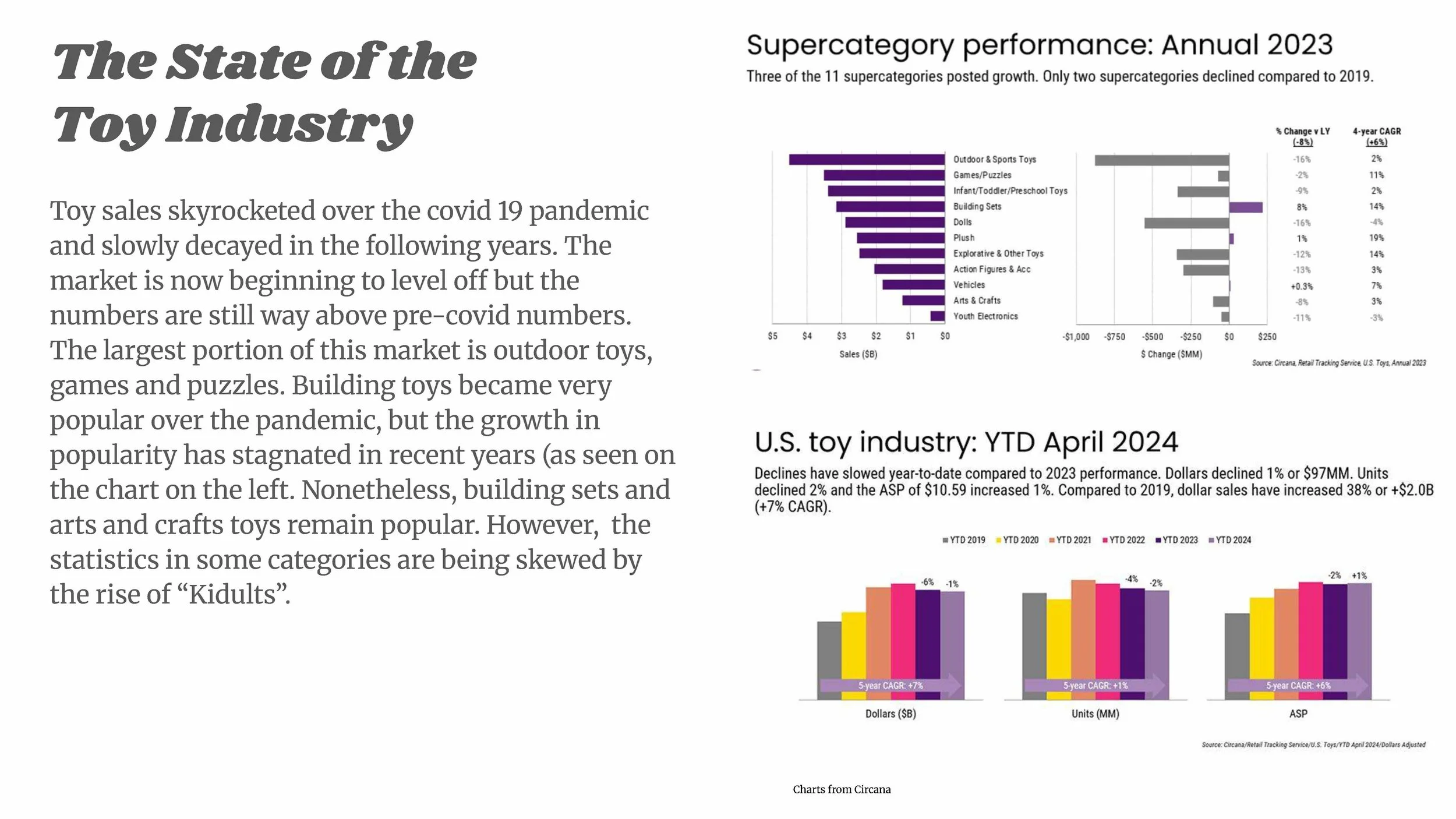
I conducted a great deal of research on this project in order to understand the market I was designing in and the product I was innovating upon
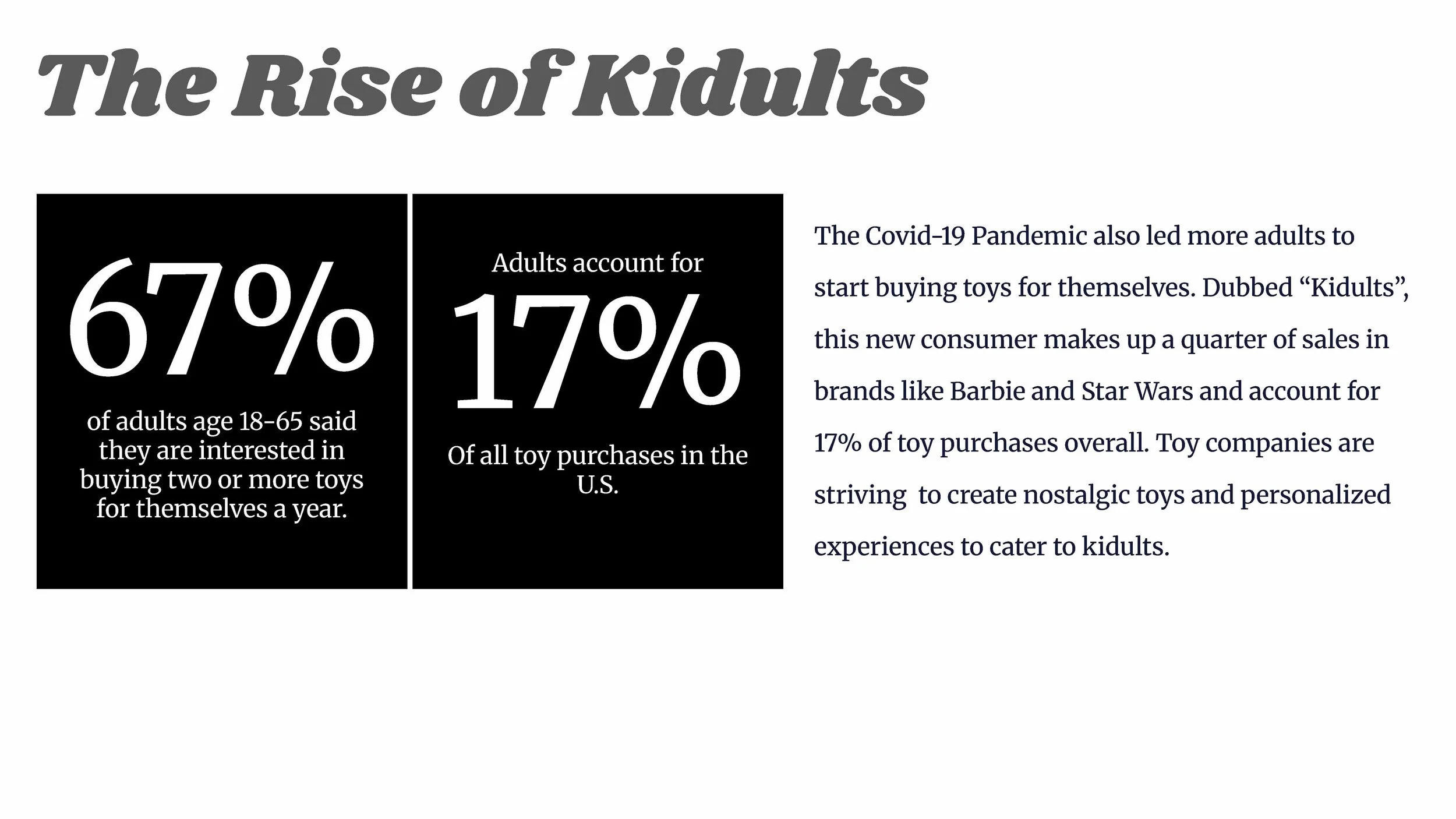
I conducted a great deal of research on this project in order to understand the market I was designing in and the product I was innovating upon
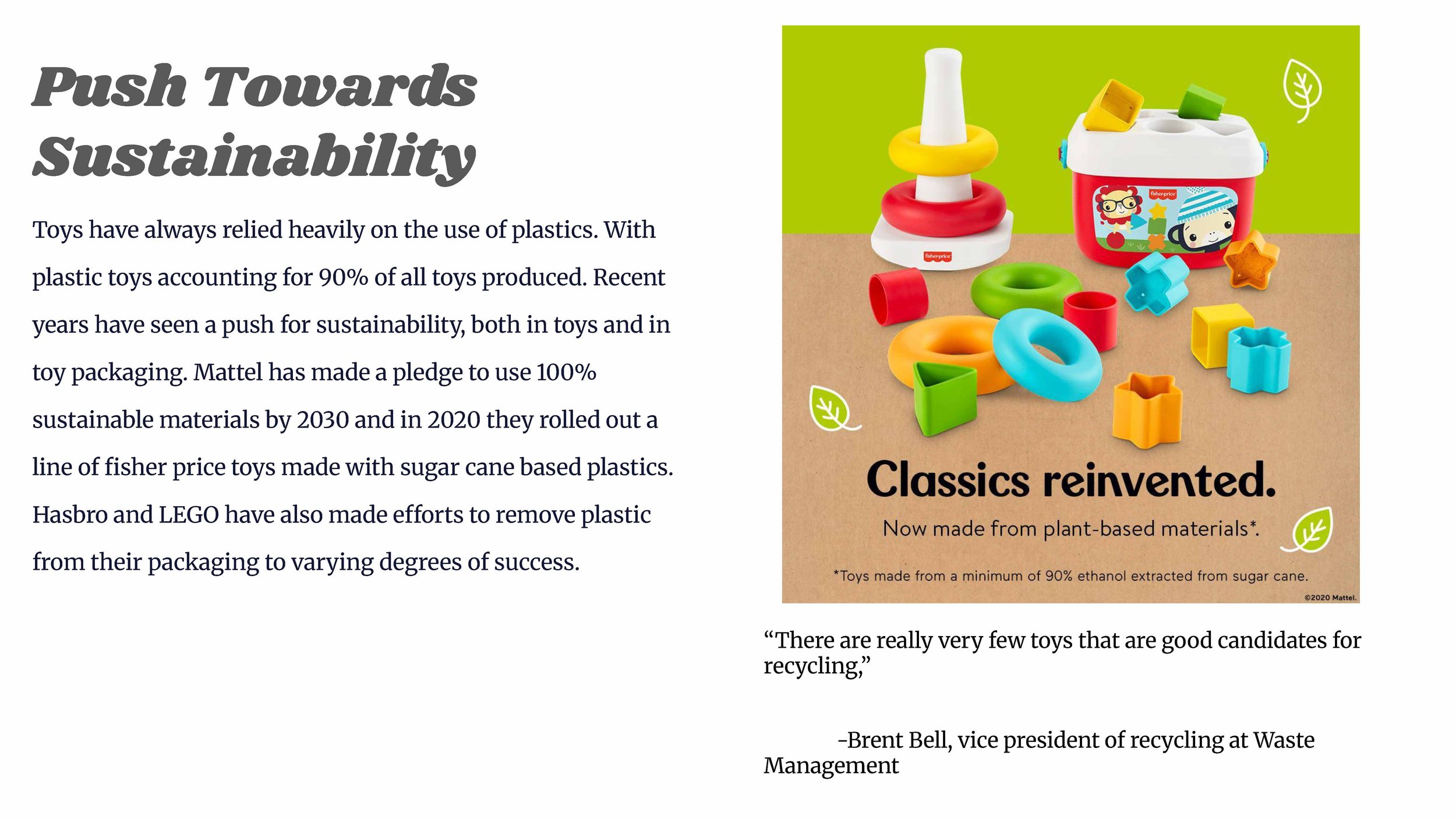
I conducted a great deal of research on this project in order to understand the market I was designing in and the product I was innovating upon
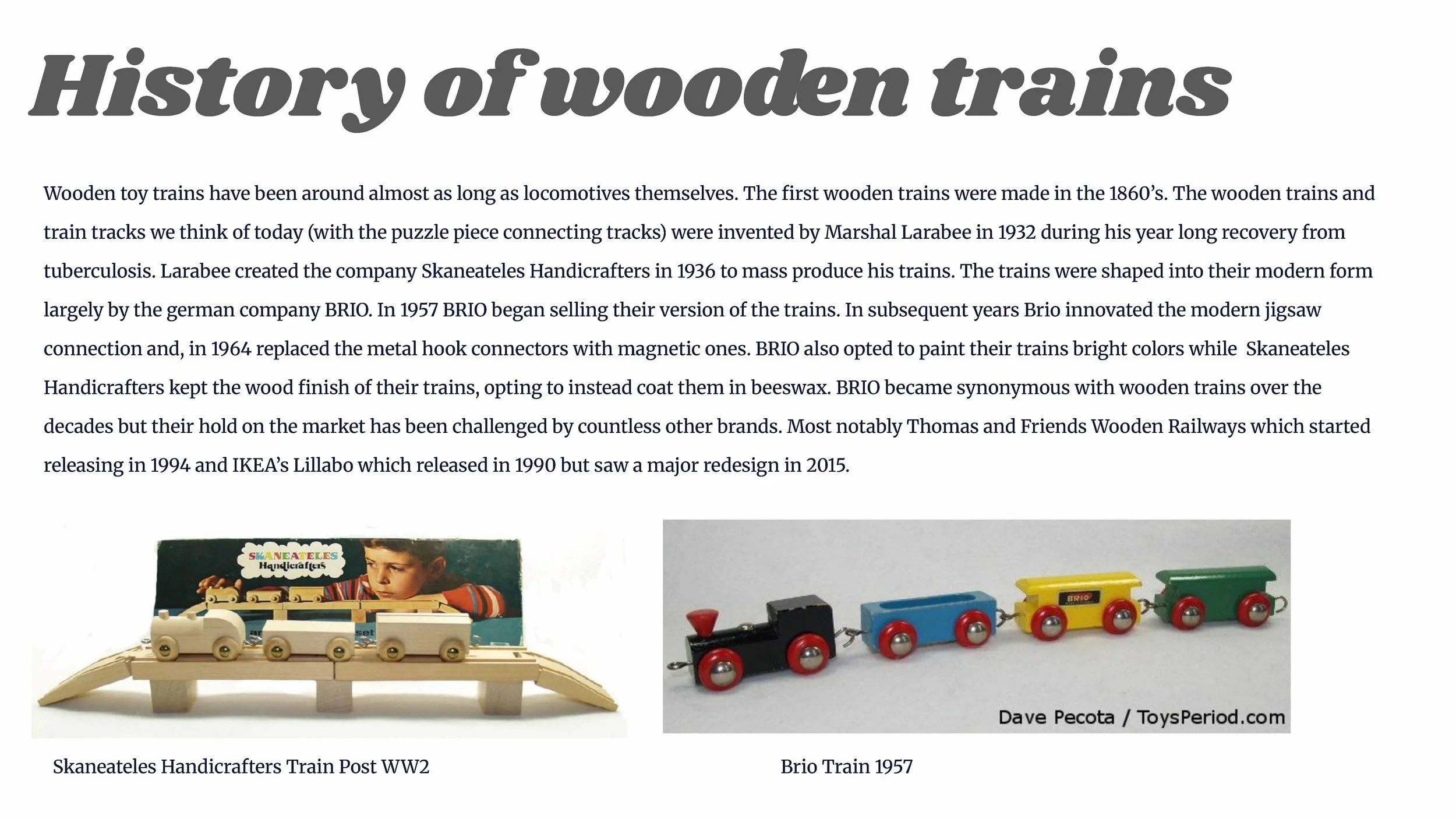
I conducted a great deal of research on this project in order to understand the market I was designing in and the product I was innovating upon
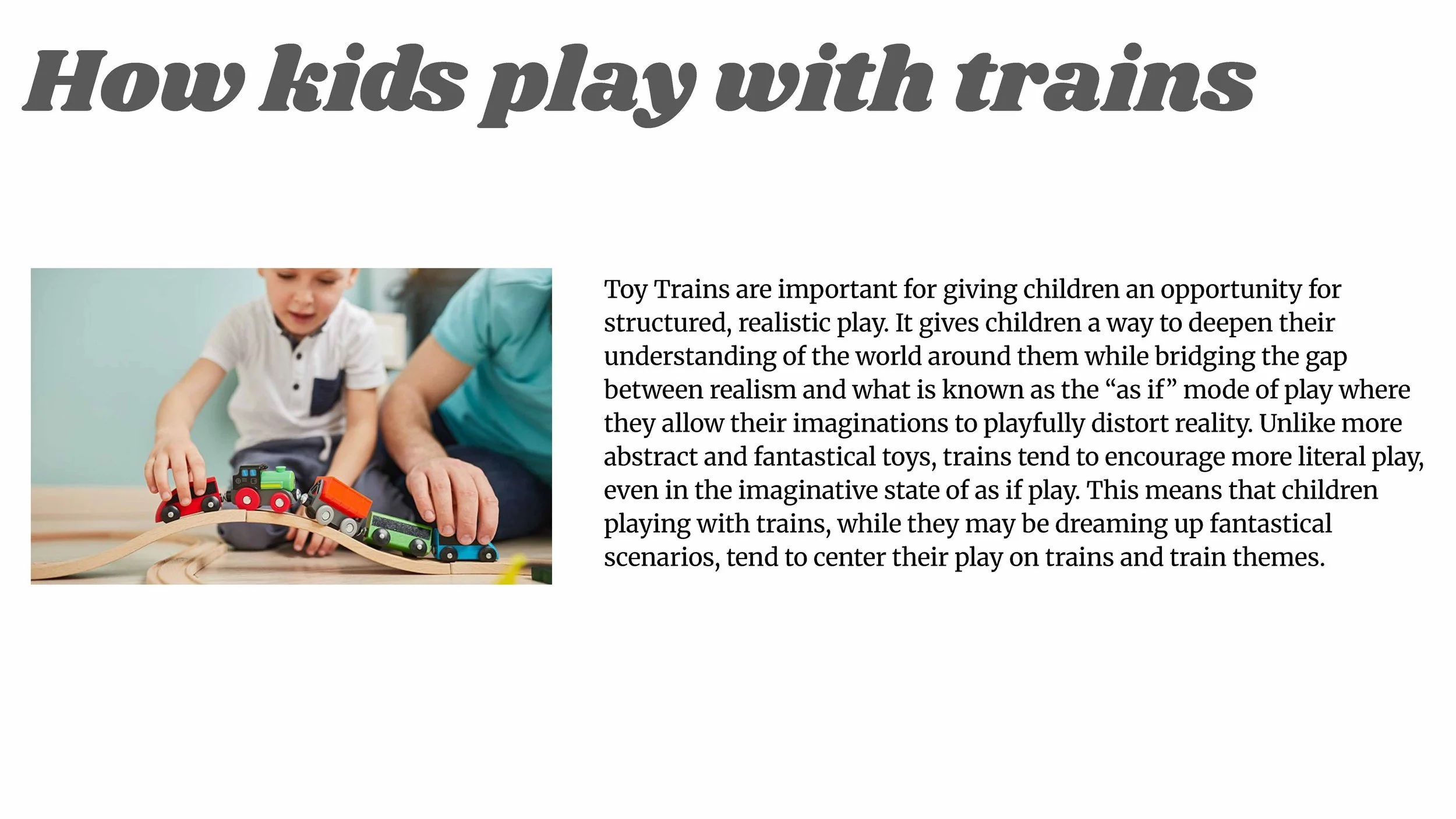
I conducted a great deal of research on this project in order to understand the market I was designing in and the product I was innovating upon
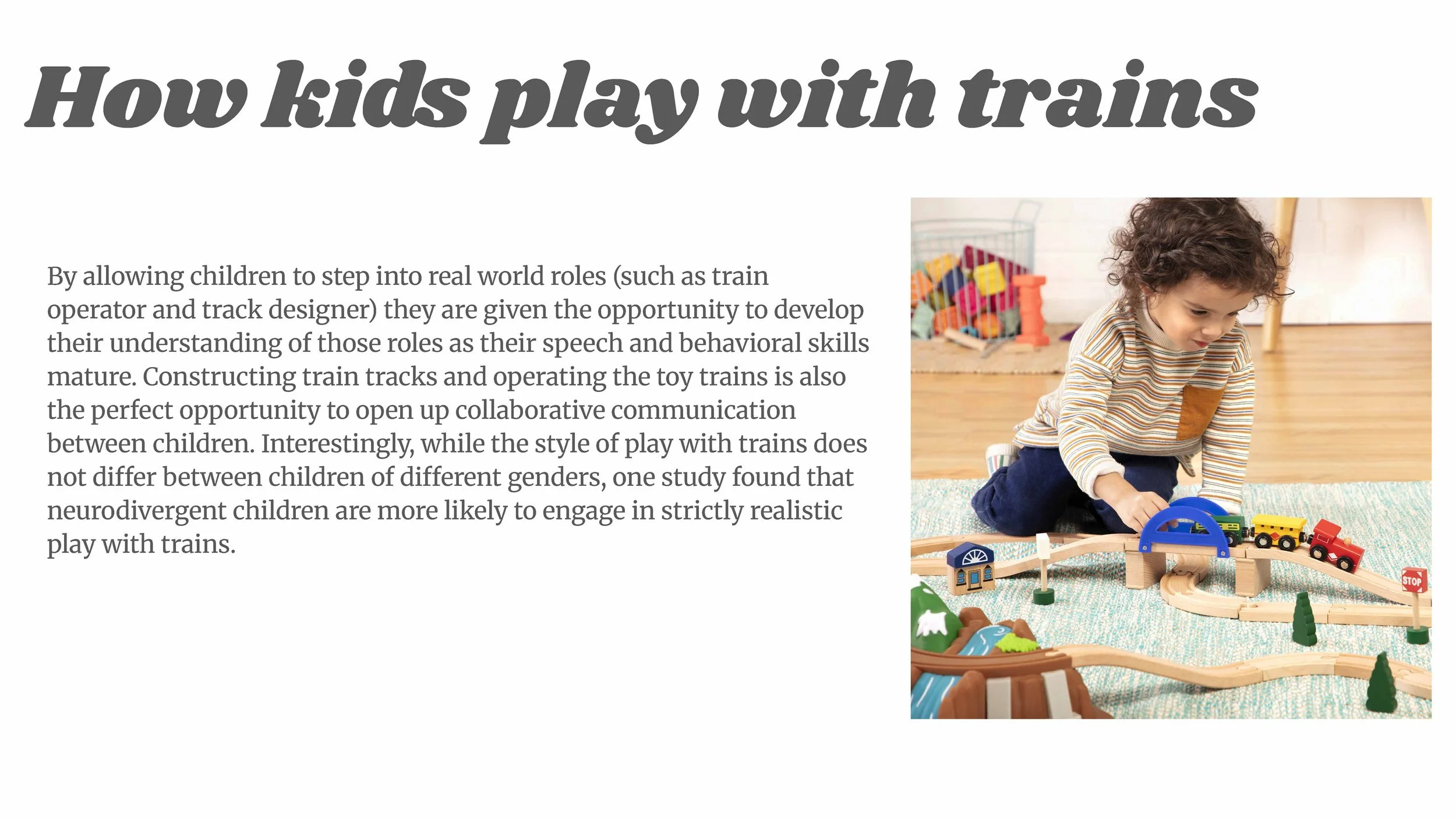
I conducted a great deal of research on this project in order to understand the market I was designing in and the product I was innovating upon
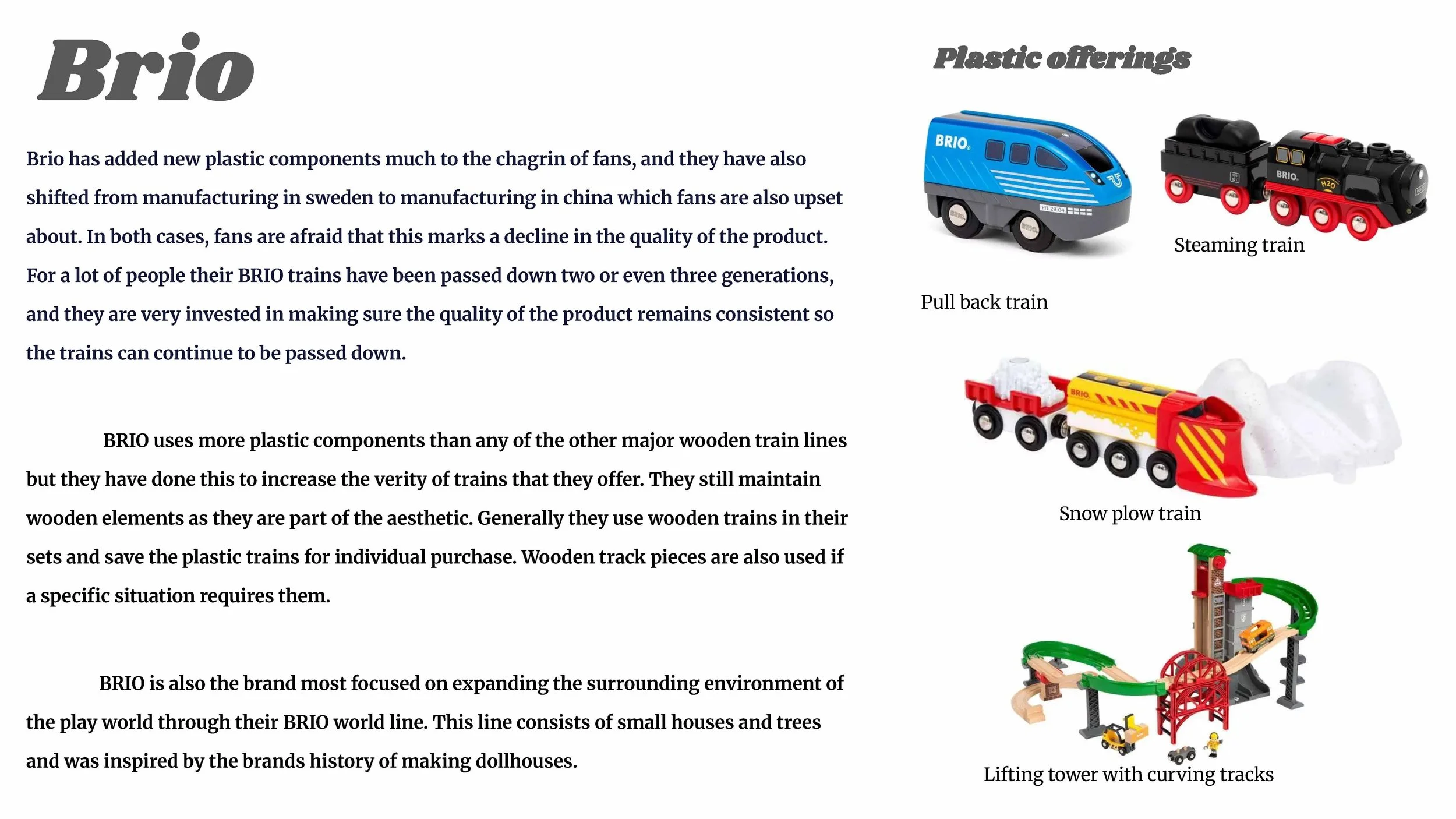
I conducted a great deal of research on this project in order to understand the market I was designing in and the product I was innovating upon
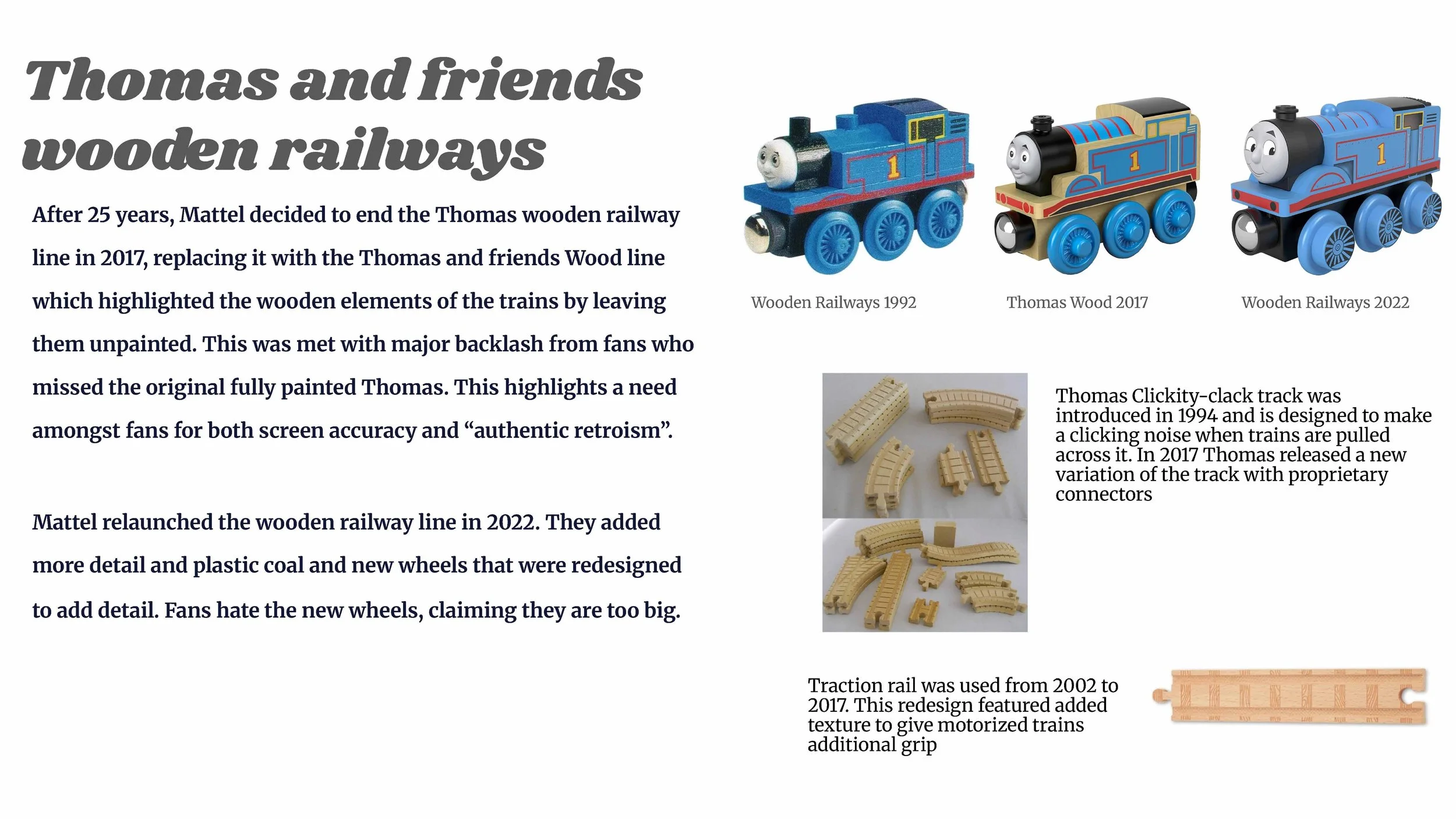
I conducted a great deal of research on this project in order to understand the market I was designing in and the product I was innovating upon
I conducted a great deal of research on this project in order to understand the market I was designing in and the product I was innovating upon
Concept Development
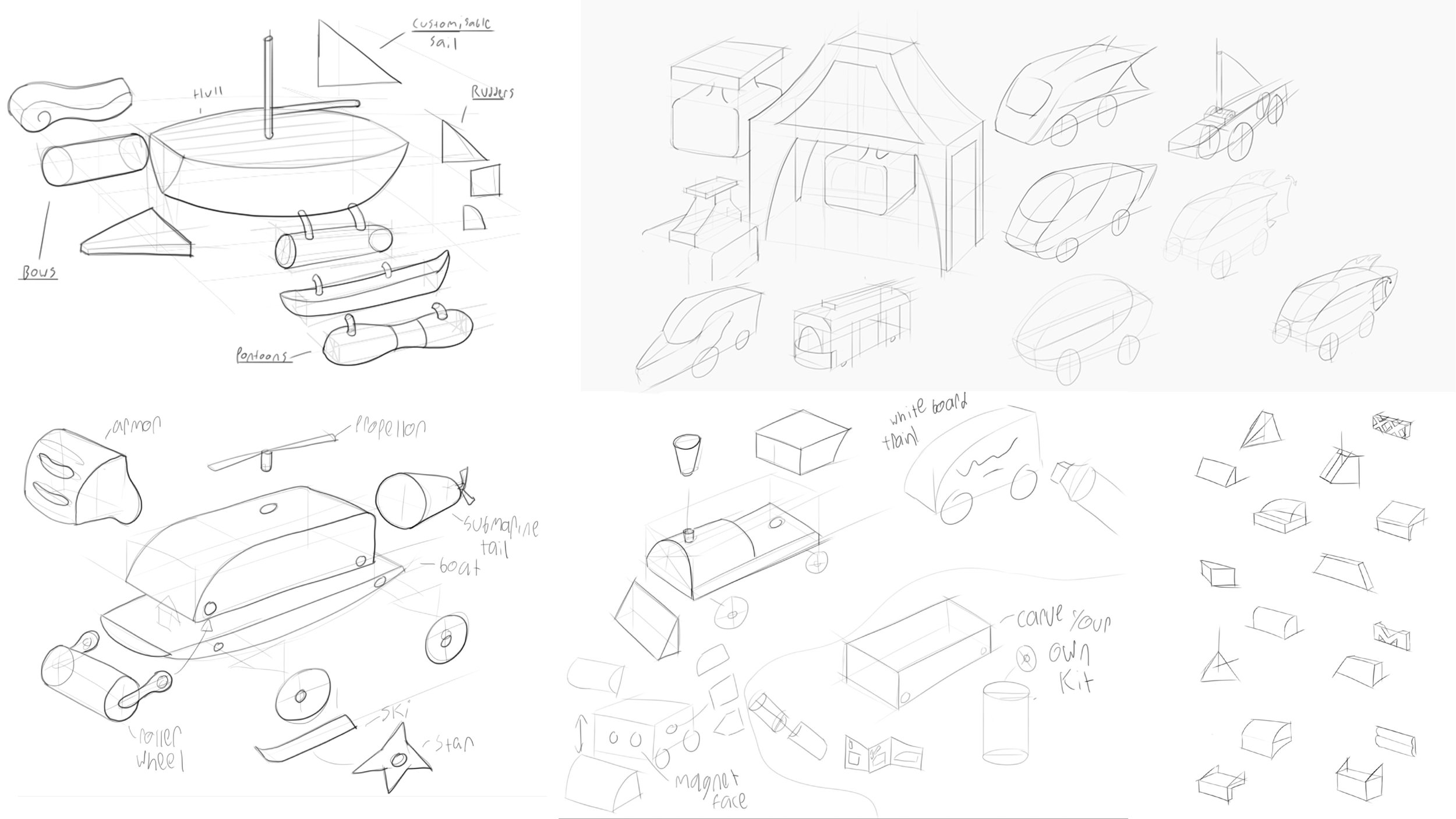
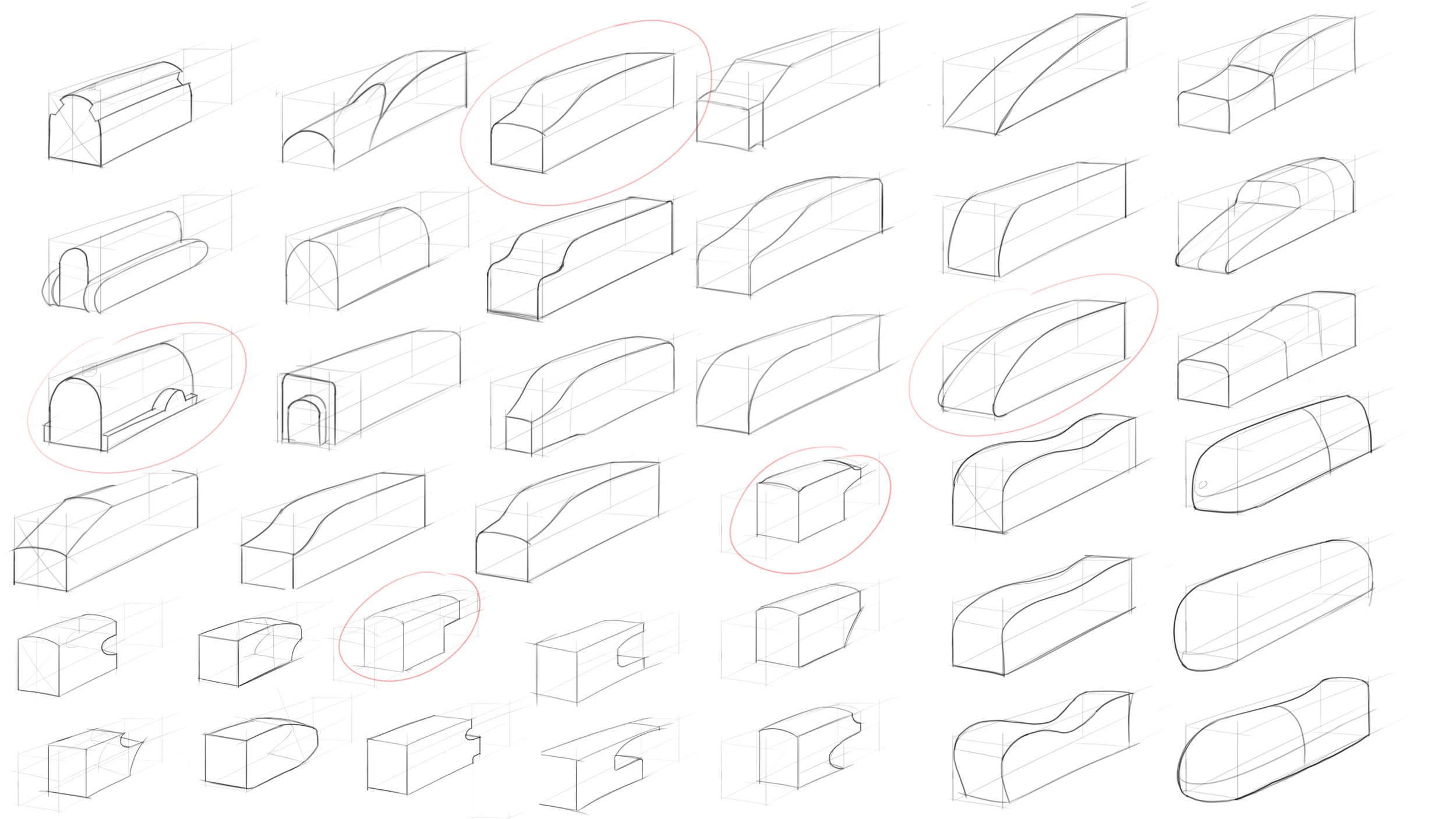
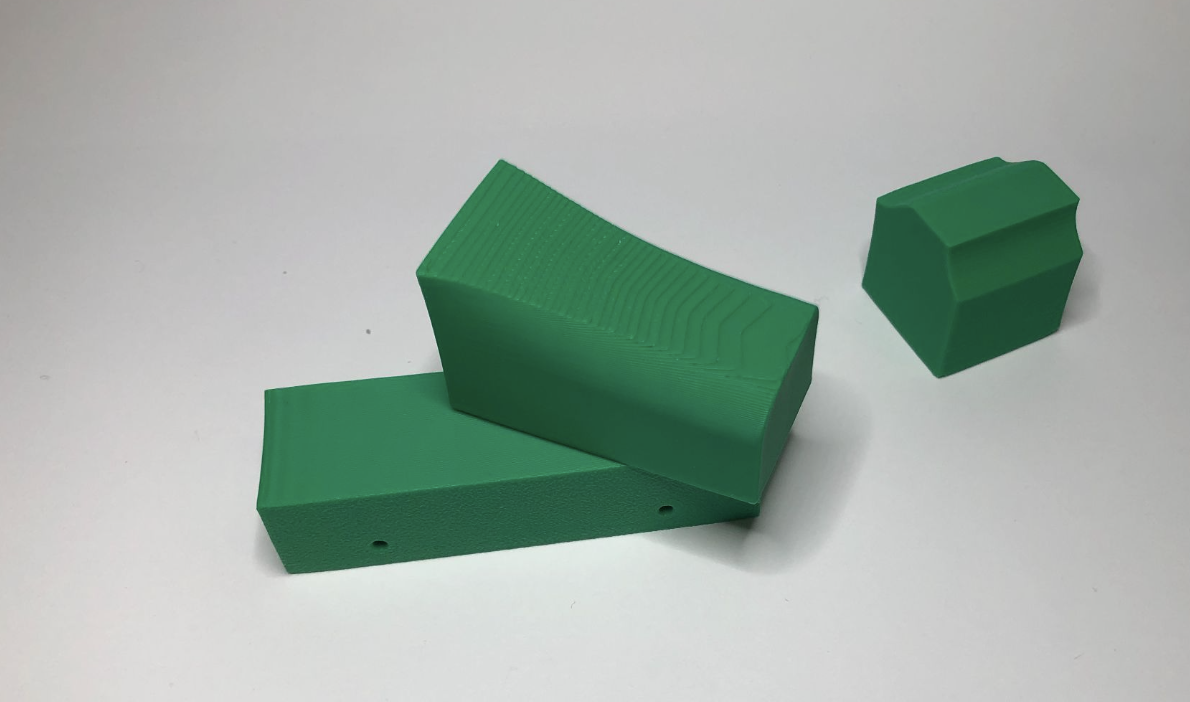
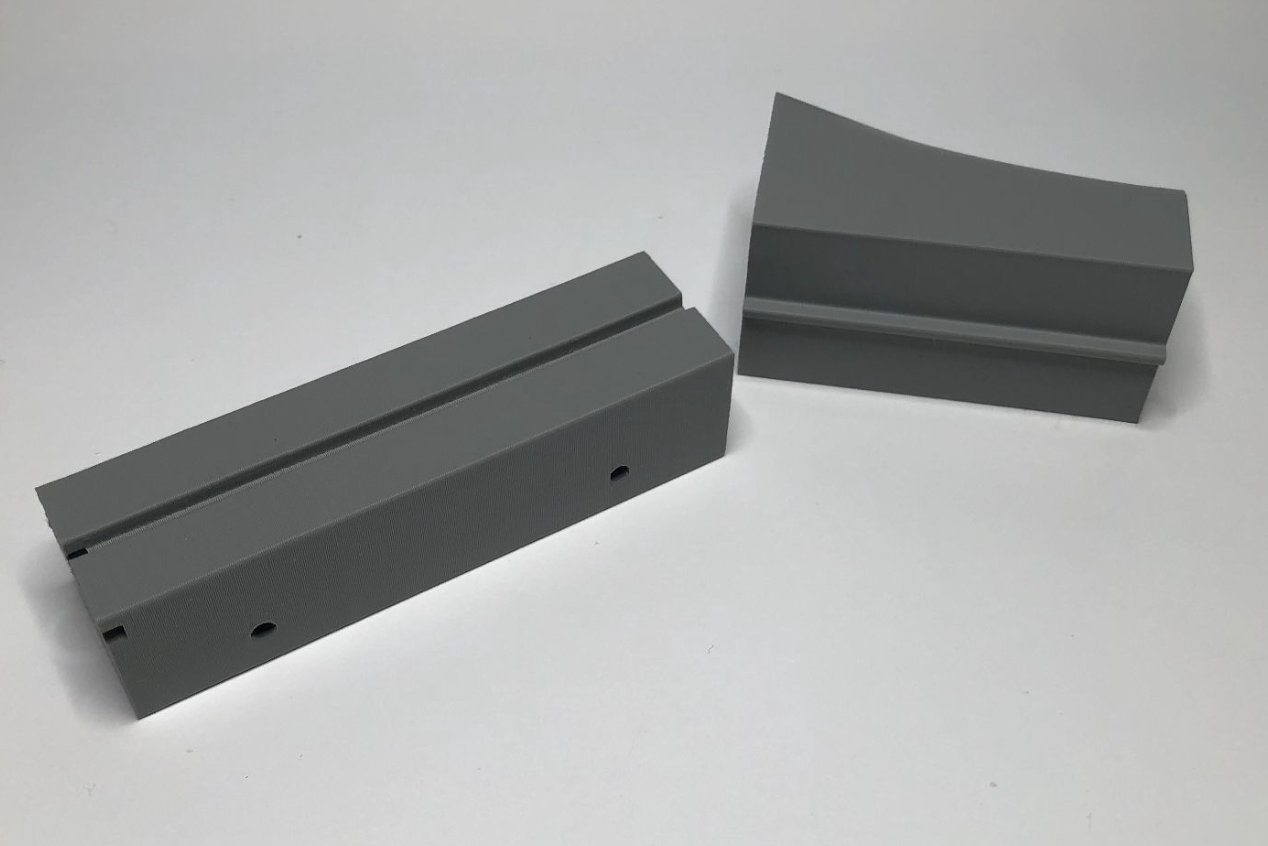
Form Development
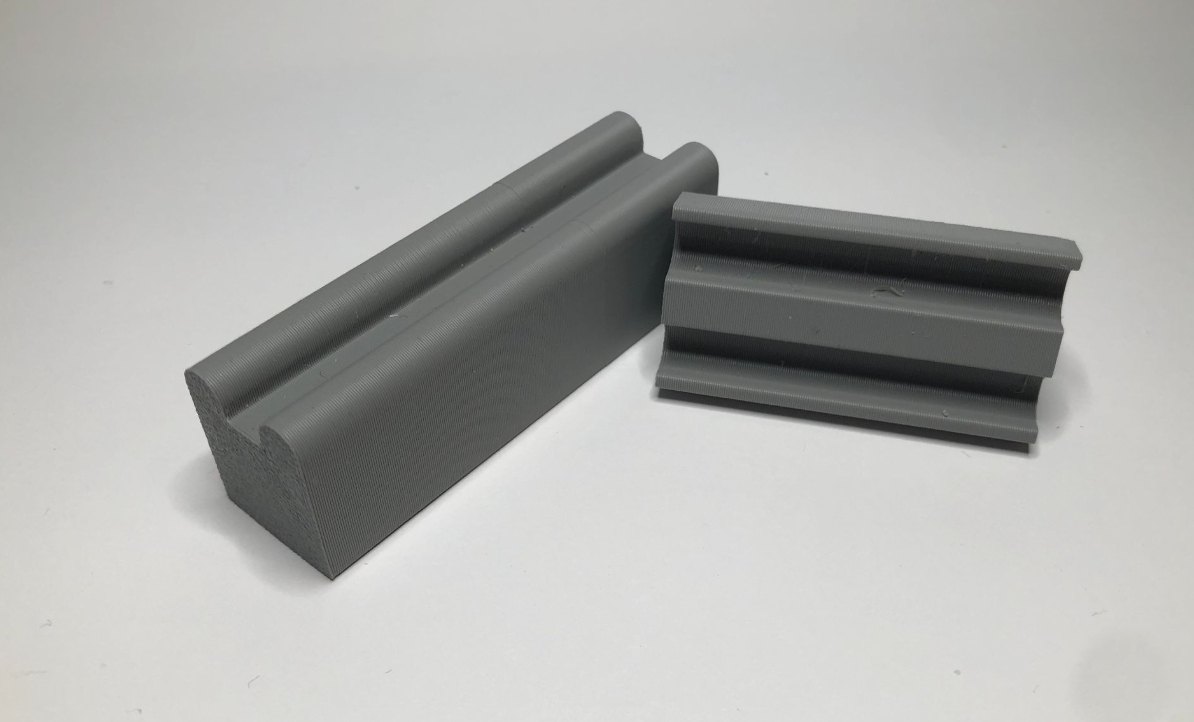
Connector Ideation
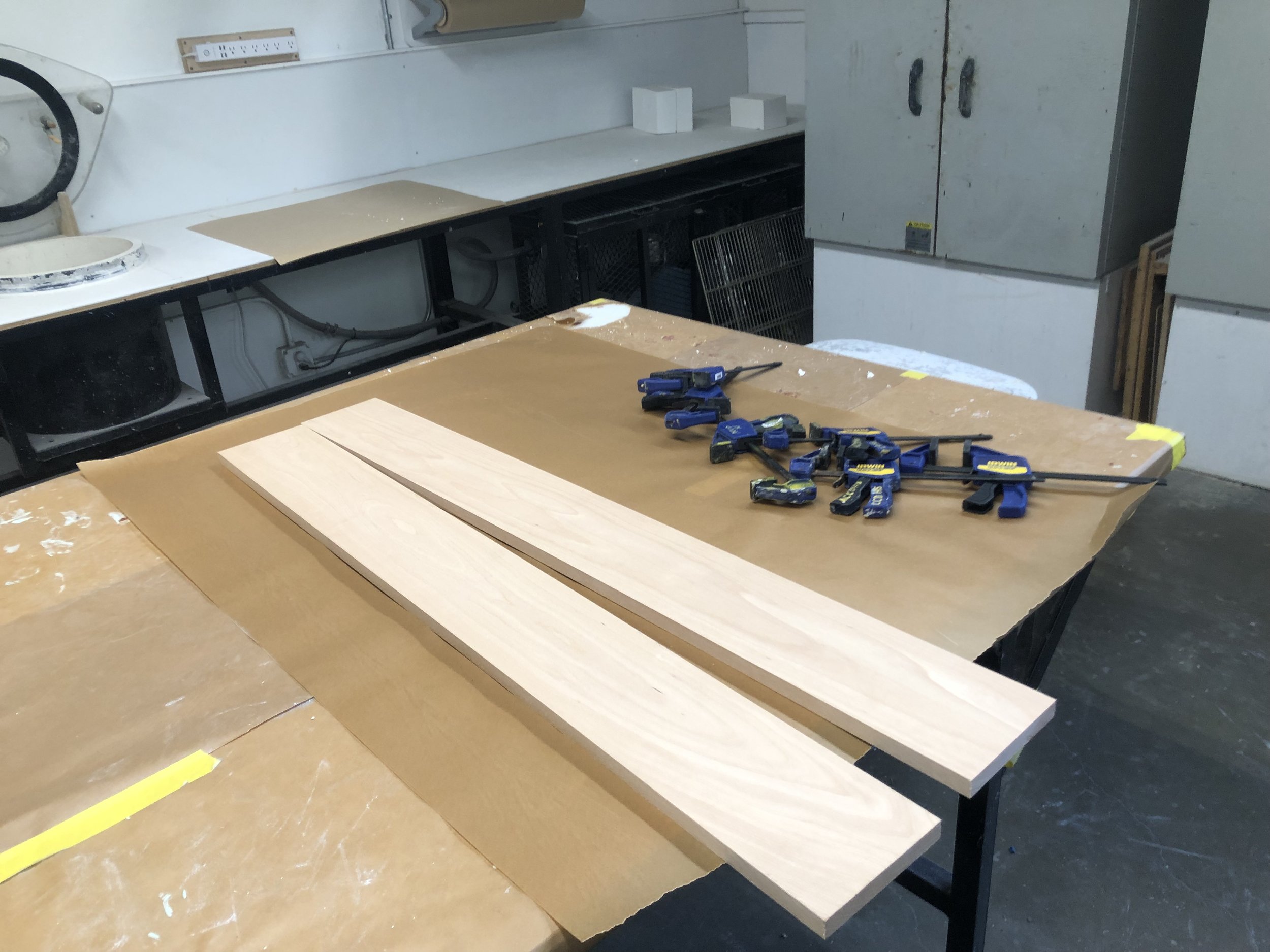
Material Sourcing
In my research, I learned that wooden trains are usually made out of a hardwood called European beech. It was very important to me to use the actual material in this project, so I called several local lumberyards to try to find a piece of European beech in the appropriate size.
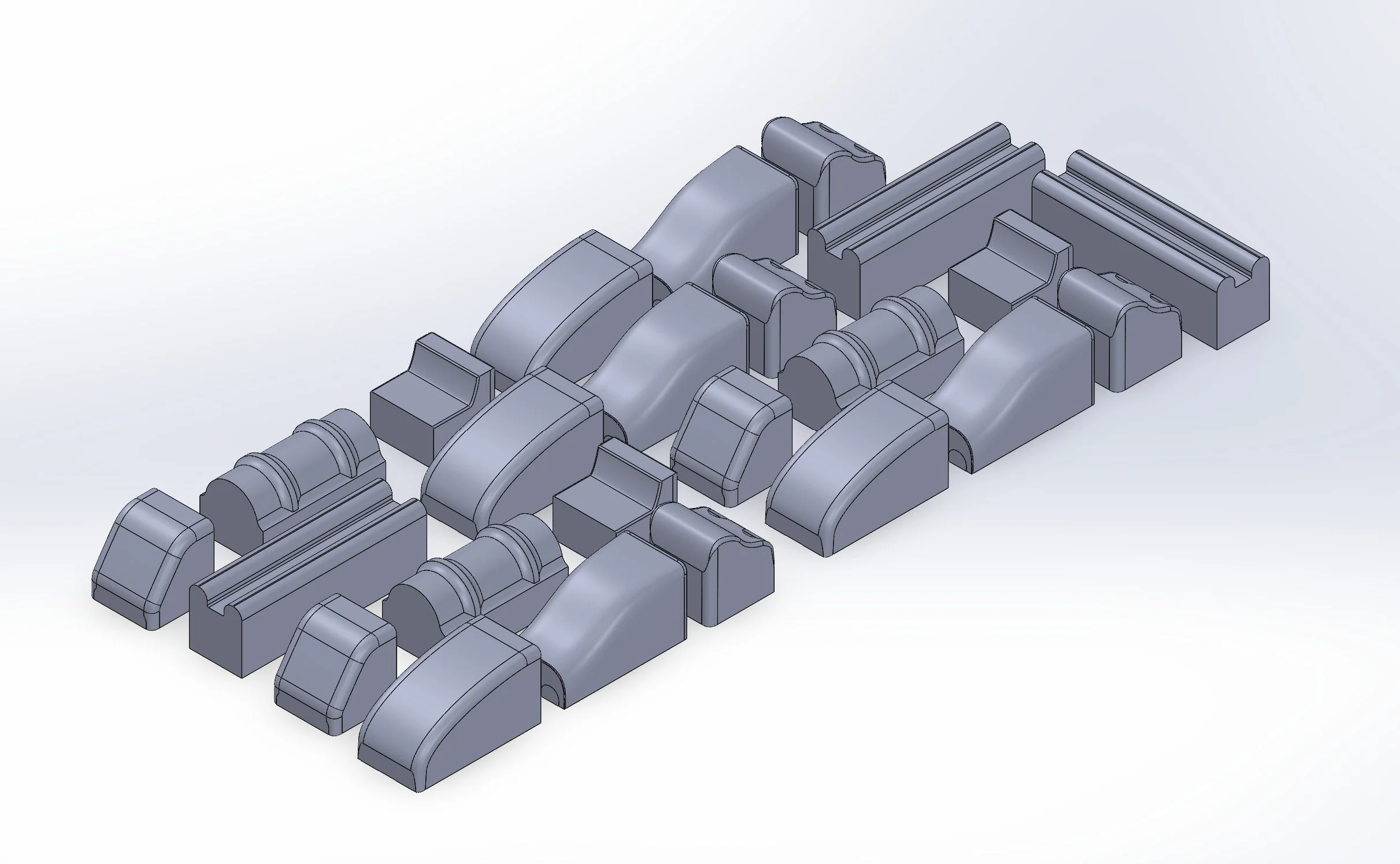
3D Modeling
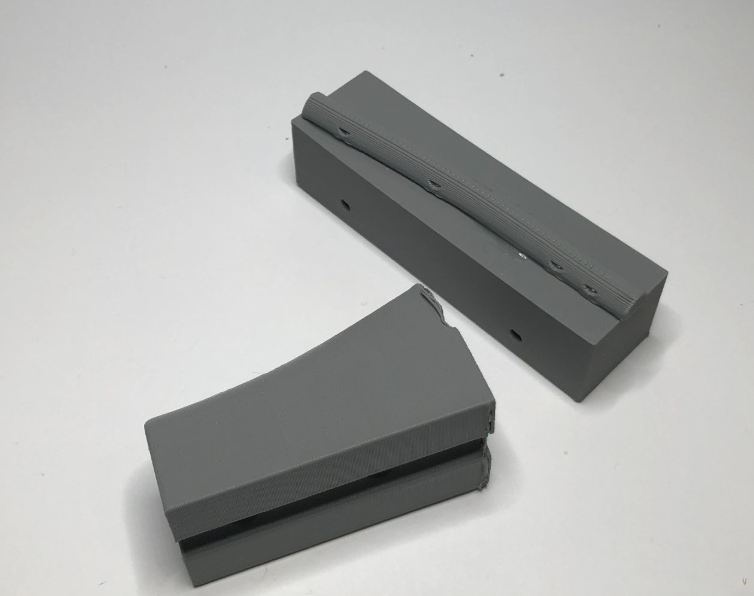
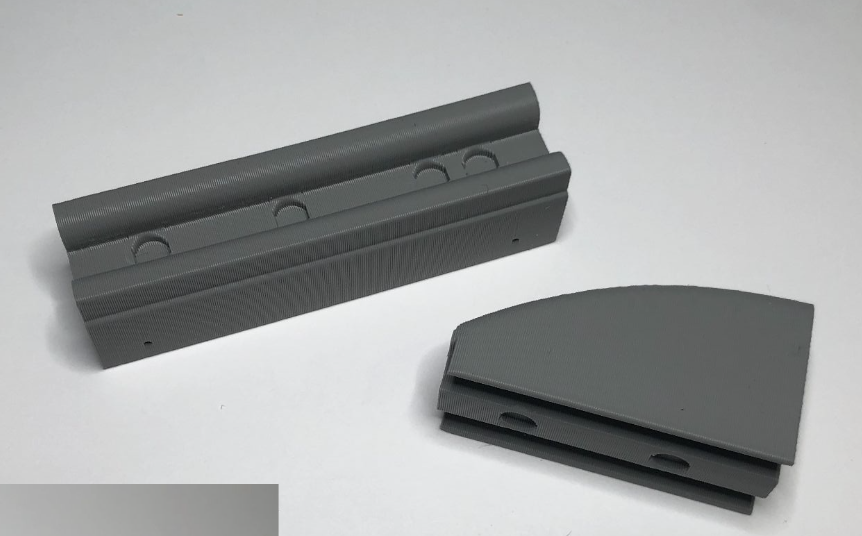
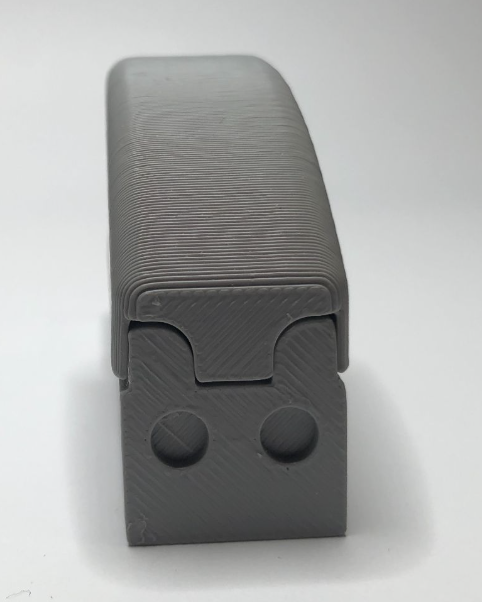
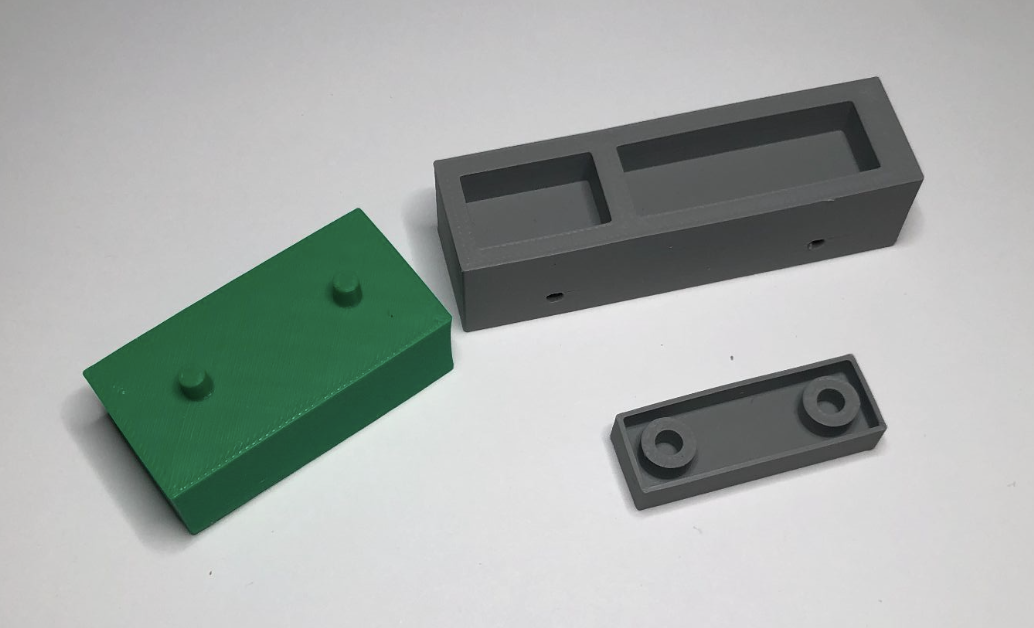
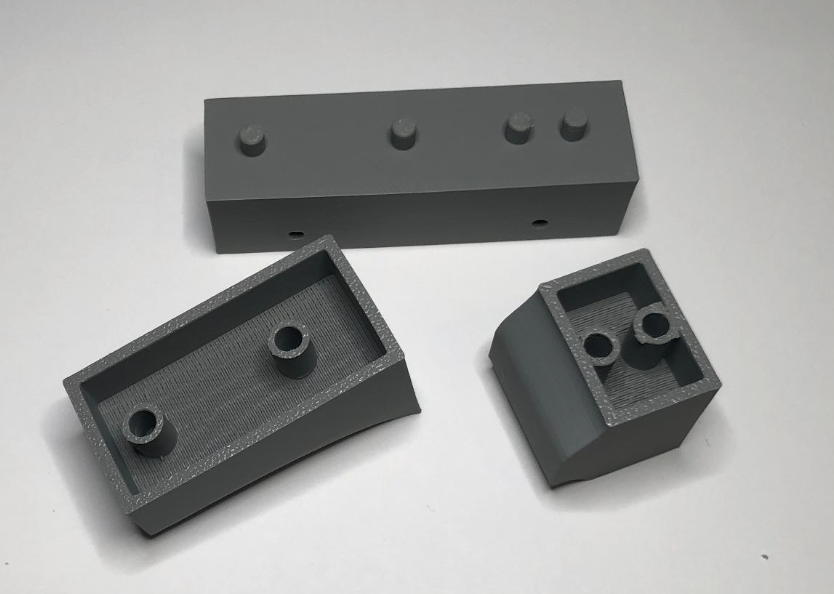
While working on this project, I was learning more advanced 3D modelling techniques in SolidWorks (such as boundary surface). This came in handy for creating some of the more organic shapes I needed. I had also planned on CNC milling the train bodies early on in the process, so while 3D modelling, I made sure undercuts were removed, and the maximum number of parts was fit in my material stock.
Fabrication